
NHS: A Universal Embrace
페이지 정보
작성자 Dave 작성일25-10-18 07:52 조회220회 댓글0건관련링크
본문
Among the organized chaos of medical professionals in Birmingham, a young man named James Stokes carries himself with the measured poise of someone who has found his place. His smart shoes move with deliberate precision as he exchanges pleasantries with colleagues—some by name, others with the comfortable currency of a "how are you."
James wears his NHS lanyard not merely as an employee badge but as a symbol of belonging. It sits against a pressed shirt that betrays nothing of the tumultuous journey that preceded his arrival.

What sets apart James from many of his colleagues is not visible on the surface. His bearing gives away nothing of the fact that he was among the first beneficiaries of the NHS Universal Family Programme—an undertaking designed specifically for young people who have been through the care system.
"I found genuine support within the NHS structure," James explains, his voice controlled but carrying undertones of feeling. His statement summarizes the essence of a programme that strives to reinvent how the enormous healthcare system approaches care leavers—those vulnerable young people aged 16-25 who have graduated out of the care system.
The statistics paint a stark picture. Care leavers commonly experience greater psychological challenges, financial instability, shelter insecurities, and reduced scholarly attainment compared to their peers. Behind these cold statistics are human stories of young people who have maneuvered through a system that, despite genuine attempts, frequently fails in providing the supportive foundation that forms most young lives.
The NHS Universal Family Programme, established in January 2023 following NHS England's commitment to the Care Leaver Covenant, represents a substantial transformation in organizational perspective. At its heart, it recognizes that the whole state and civil society should function as a "universal family" for those who have missed out on the constancy of a traditional family setting.
Ten pathfinder integrated care boards across England have led the way, creating structures that reconceptualize how the NHS—one of Europe's largest employers—can extend opportunities to care leavers.
The Programme is thorough in its approach, initiating with thorough assessments of existing policies, creating oversight mechanisms, and securing leadership support. It recognizes that meaningful participation requires more than good intentions—it demands practical measures.
In NHS Birmingham and Solihull ICB, where James found his footing, they've established a reliable information exchange with representatives who can provide support, advice, and guidance on wellbeing, HR matters, recruitment, and EDI initiatives.
The traditional NHS recruitment process—structured and potentially intimidating—has been carefully modified. Job advertisements now focus on character attributes rather than long lists of credentials. Application processes have been reconsidered to accommodate the specific obstacles care leavers might experience—from lacking professional references to struggling with internet access.
Maybe most importantly, the Programme acknowledges that beginning employment can create specific difficulties for care leavers who may be handling self-sufficiency without the support of family resources. Concerns like travel expenses, identification documents, and banking arrangements—taken for granted by many—can become substantial hurdles.
The elegance of the Programme lies in its thorough planning—from explaining payslip deductions to helping with commuting costs until that crucial first wage disbursement. Even seemingly minor aspects like rest periods and professional behavior are carefully explained.
For James, whose professional path has "revolutionized" his life, the Programme delivered more than employment. It gave him a feeling of connection—that intangible quality that develops when someone senses worth not despite their background but because their distinct perspective enriches the institution.
"Working for the NHS isn't just about doctors and nurses," James notes, his eyes reflecting the subtle satisfaction of someone who has secured his position. "It's about a family of different jobs and roles, a group of people who genuinely care."
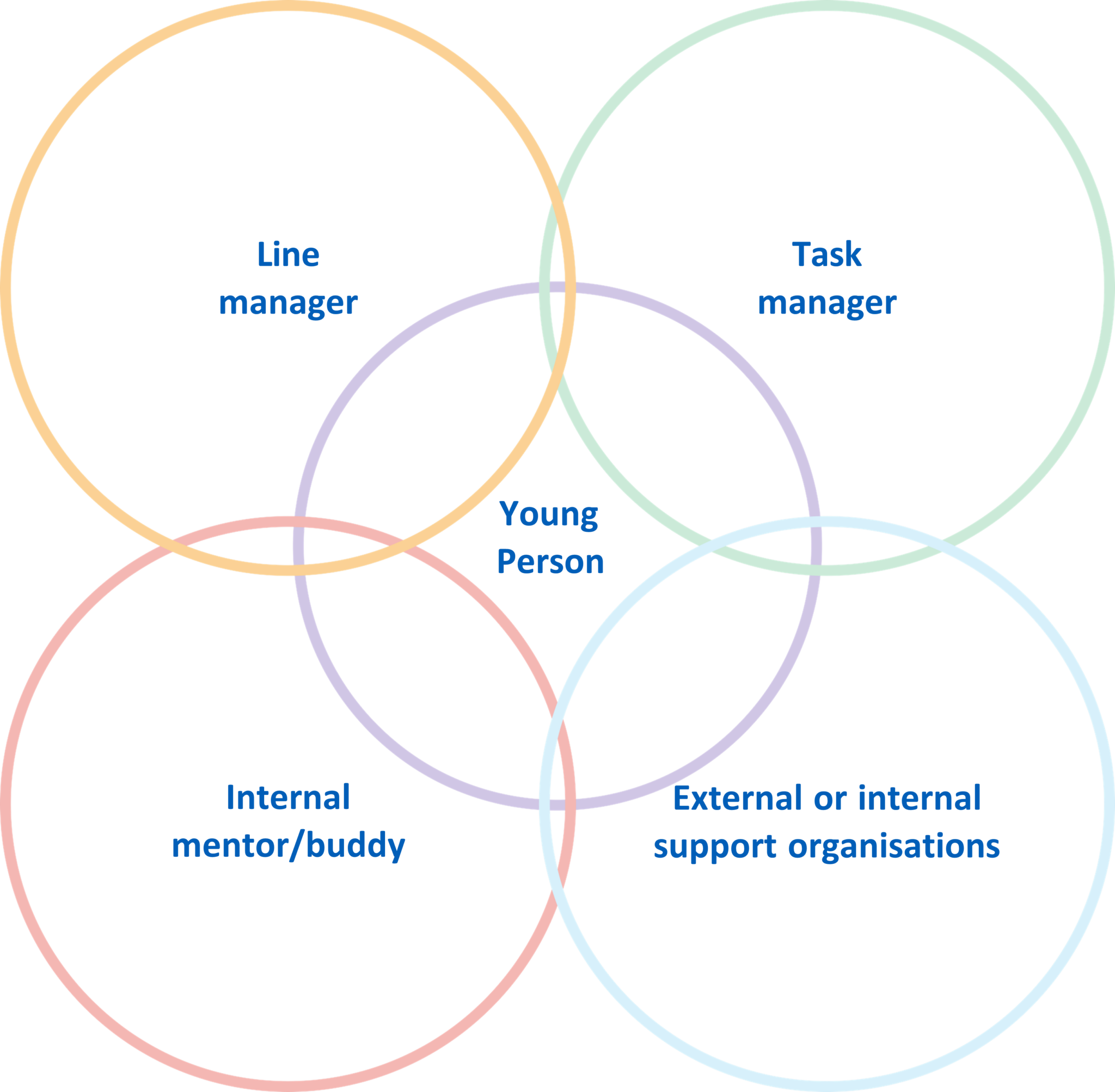
The NHS Universal Family Programme exemplifies more than an employment initiative. It functions as a powerful statement that institutions can change to welcome those who have navigated different paths. In doing so, they not only transform individual lives but improve their services through the distinct viewpoints that care leavers contribute.
As James moves through the hospital, his involvement quietly demonstrates that with the right assistance, care leavers can succeed in environments once considered beyond reach. The support that the NHS has provided through this Programme signifies not charity but acknowledgment of hidden abilities and the fundamental reality that each individual warrants a community that supports their growth.
댓글목록
등록된 댓글이 없습니다.