
NHS: The Family They Never Had
페이지 정보
작성자 Wilfredo Callis… 작성일25-10-17 20:53 조회212회 댓글0건관련링크
본문
Within the bustling halls of an NHS hospital in Birmingham, a young man named James Stokes carries himself with the measured poise of someone who has found his place. His oxford shoes barely make a sound as he greets colleagues—some by name, others with the universal currency of a "how are you."
James wears his NHS lanyard not merely as an employee badge but as a declaration of inclusion. It sits against a pressed shirt that betrays nothing of the tumultuous journey that led him to this place.
What sets apart James from many of his colleagues is not immediately apparent. His demeanor gives away nothing of the fact that he was among the first participants of the NHS Universal Family Programme—an initiative crafted intentionally for young people who have experienced life in local authority care.
"It felt like the NHS was putting its arm around me," James reflects, his voice controlled but tinged with emotion. His statement encapsulates the essence of a programme that aims to revolutionize how the vast healthcare system approaches care leavers—those vulnerable young people aged 16-25 who have graduated out of the care system.
The numbers paint a stark picture. Care leavers frequently encounter greater psychological challenges, money troubles, accommodation difficulties, and lower academic success compared to their age-mates. Beneath these clinical numbers are individual journeys of young people who have navigated a system that, despite good efforts, often falls short in providing the nurturing environment that molds most young lives.
The NHS Universal Family Programme, initiated in January 2023 following NHS England's commitment to the Care Leaver Covenant, represents a significant change in organizational perspective. Fundamentally, it accepts that the complete state and civil society should function as a "communal support system" for those who haven't experienced the security of a conventional home.
A select group of healthcare regions across England have led the way, creating structures that reimagine how the NHS—one of Europe's largest employers—can extend opportunities to care leavers.
The Programme is detailed in its strategy, initiating with thorough assessments of existing procedures, forming oversight mechanisms, and garnering leadership support. It recognizes that effective inclusion requires more than noble aims—it demands concrete steps.
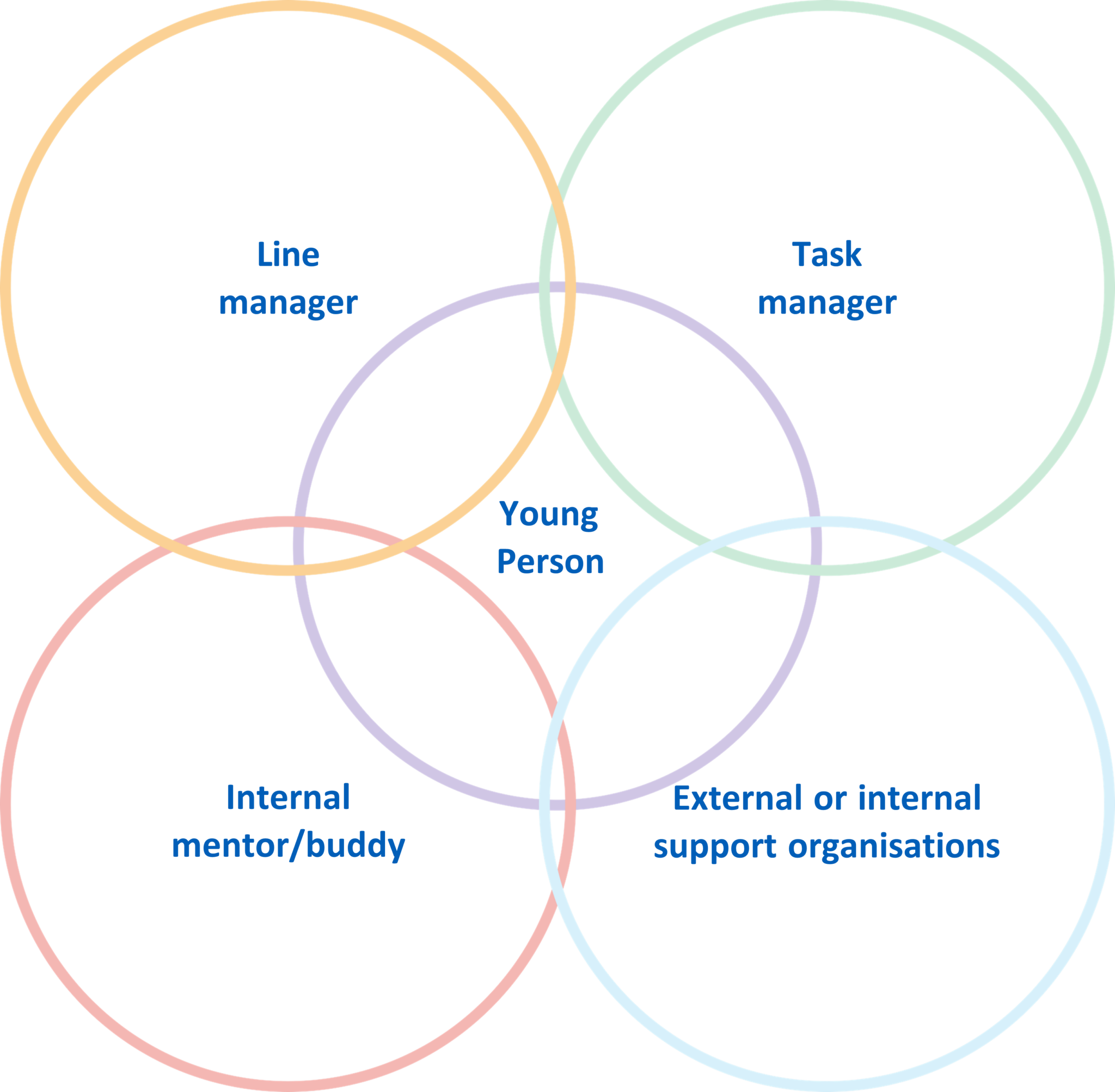
In NHS Birmingham and Solihull ICB, where James started his career, they've developed a regular internal communication network with representatives who can deliver assistance and counsel on mental health, HR matters, recruitment, and EDI initiatives.
The traditional NHS recruitment process—structured and potentially intimidating—has been intentionally adjusted. Job advertisements now focus on character attributes rather than numerous requirements. Applications have been redesigned to accommodate the unique challenges care leavers might experience—from not having work-related contacts to struggling with internet access.
Perhaps most significantly, the Programme recognizes that entering the workforce can present unique challenges for care leavers who may be navigating autonomy without the backup of familial aid. Matters like commuting fees, identification documents, and bank accounts—taken for granted by many—can become significant barriers.
The beauty of the Programme lies in its attention to detail—from outlining compensation information to helping with commuting costs until that critical first salary payment. Even seemingly minor aspects like coffee breaks and professional behavior are deliberately addressed.
For James, whose NHS journey has "transformed" his life, the Programme offered more than work. It provided him a perception of inclusion—that ineffable quality that emerges when someone is appreciated not despite their history but because their unique life experiences improves the workplace.
"Working for the NHS isn't just about doctors and nurses," James comments, his eyes reflecting the quiet pride of someone who has found his place. "It's about a community of different jobs and roles, a group of people who really connect."
The NHS Universal Family Programme exemplifies more than an employment initiative. It exists as a powerful statement that institutions can change to embrace those who have experienced life differently. In doing so, they not only transform individual lives but enrich themselves through the unique perspectives that care leavers contribute.
As James moves through the hospital, his presence quietly demonstrates that with the right assistance, care leavers can succeed in environments once thought inaccessible. The embrace that the NHS has provided through this Programme symbolizes not charity but appreciation of overlooked talent and the essential fact that everyone deserves a community that supports their growth.

댓글목록
등록된 댓글이 없습니다.