
NHS: A Universal Embrace
페이지 정보
작성자 Hildred 작성일25-10-15 21:40 조회197회 댓글0건관련링크
본문
Among the organized chaos of medical professionals in Birmingham, a young man named James Stokes carries himself with the measured poise of someone who has found his place. His smart shoes barely make a sound as he greets colleagues—some by name, others with the comfortable currency of a "hello there."
James carries his identification not merely as a security requirement but as a symbol of belonging. It rests against a neatly presented outfit that offers no clue of the tumultuous journey that led him to this place.
What sets apart James from many of his colleagues is not visible on the surface. His demeanor gives away nothing of the fact that he was among the first participants of the NHS Universal Family Programme—an undertaking designed specifically for young people who have been through the care system.
"I found genuine support within the NHS structure," James reflects, his voice measured but carrying undertones of feeling. His observation captures the essence of a programme that seeks to reinvent how the enormous healthcare system perceives care leavers—those frequently marginalized young people aged 16-25 who have transitioned from the care system.
The figures reveal a challenging reality. Care leavers commonly experience greater psychological challenges, economic uncertainty, accommodation difficulties, and lower academic success compared to their age-mates. Beneath these clinical numbers are personal narratives of young people who have maneuvered through a system that, despite best intentions, often falls short in delivering the stable base that shapes most young lives.
The NHS Universal Family Programme, launched in January 2023 following NHS England's pledge to the Care Leaver Covenant, embodies a substantial transformation in systemic approach. Fundamentally, it accepts that the entire state and civil society should function as a "collective parent" for those who have missed out on the stability of a traditional family setting.
Ten pioneering healthcare collectives across England have charted the course, creating systems that reconceptualize how the NHS—one of Europe's largest employers—can extend opportunities to care leavers.
The Programme is thorough in its strategy, initiating with comprehensive audits of existing practices, forming oversight mechanisms, and securing executive backing. It understands that effective inclusion requires more than lofty goals—it demands tangible actions.
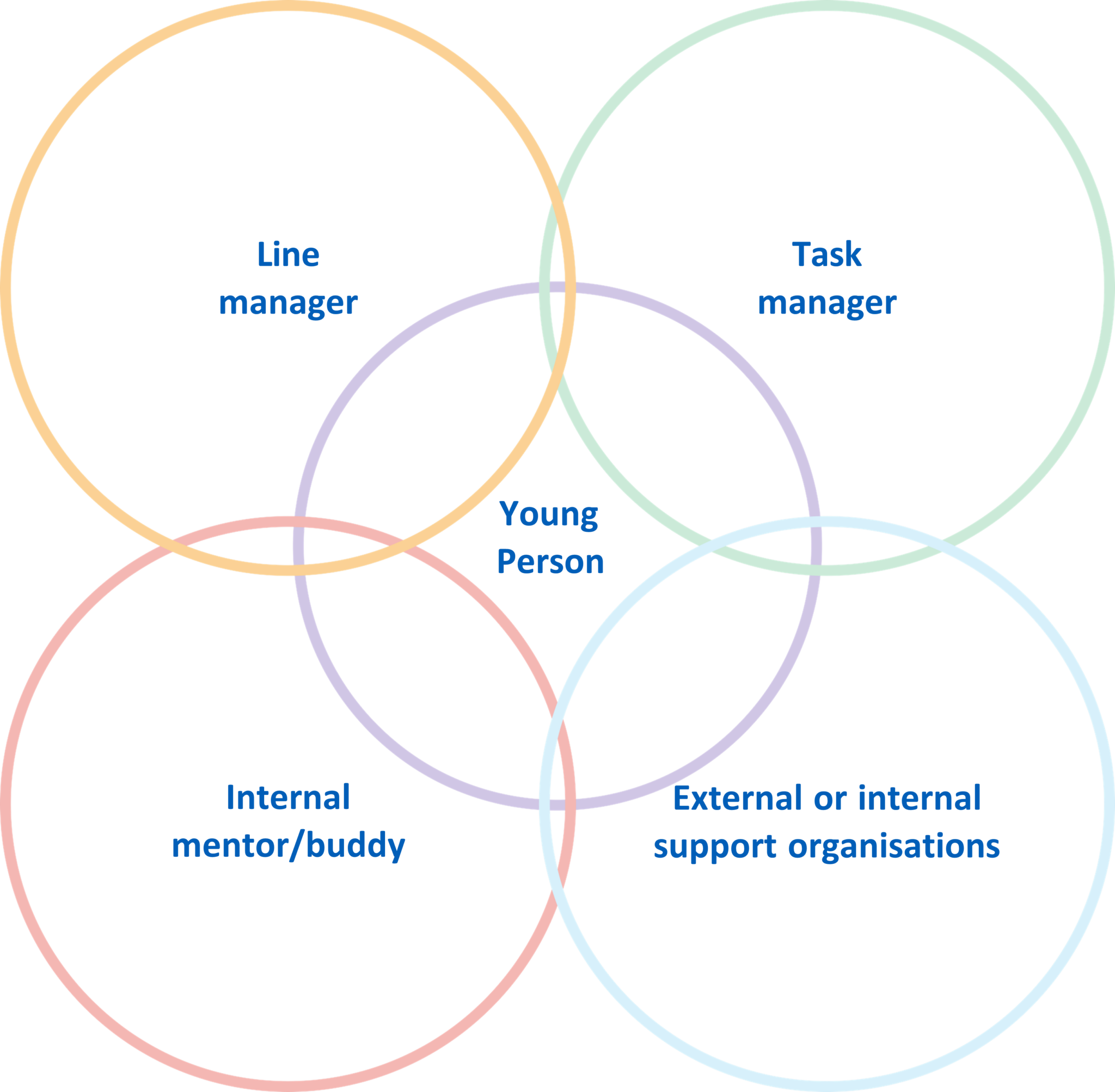
In NHS Birmingham and Solihull ICB, where James started his career, they've created a consistent support system with representatives who can deliver help and direction on personal welfare, HR matters, recruitment, and EDI initiatives.
The traditional NHS recruitment process—formal and often daunting—has been thoughtfully adapted. Job advertisements now focus on attitudinal traits rather than extensive qualifications. Application processes have been reimagined to accommodate the specific obstacles care leavers might experience—from lacking professional references to facing barriers to internet access.
Possibly most crucially, the Programme acknowledges that entering the workforce can create specific difficulties for care leavers who may be managing independent living without the safety net of familial aid. Matters like commuting fees, personal documentation, and bank accounts—considered standard by many—can become major obstacles.
The beauty of the Programme lies in its attention to detail—from outlining compensation information to providing transportation assistance until that essential first wage disbursement. Even seemingly minor aspects like break times and workplace conduct are deliberately addressed.
For James, whose career trajectory has "revolutionized" his life, the Programme delivered more than employment. It provided him a sense of belonging—that intangible quality that emerges when someone is appreciated not despite their background but because their distinct perspective enhances the workplace.
"Working for the NHS isn't just about doctors and nurses," James observes, his gaze showing the subtle satisfaction of someone who has secured his position. "It's about a collective of different jobs and roles, a group of people who truly matter."

The NHS Universal Family Programme represents more than an job scheme. It stands as a bold declaration that systems can change to include those who have known different challenges. In doing so, they not only change personal trajectories but improve their services through the distinct viewpoints that care leavers contribute.
As James moves through the hospital, his presence subtly proves that with the right assistance, care leavers can thrive in environments once deemed unattainable. The arm that the NHS has offered through this Programme signifies not charity but appreciation of overlooked talent and the fundamental reality that each individual warrants a family that believes in them.
댓글목록
등록된 댓글이 없습니다.