
NHS: A Universal Embrace
페이지 정보
작성자 Kurt 작성일25-10-15 21:47 조회217회 댓글0건관련링크
본문

In the sterile corridors of Birmingham Women's and Children's NHS Foundation Trust, a young man named James Stokes navigates his daily responsibilities with subtle confidence. His oxford shoes barely make a sound as he acknowledges colleagues—some by name, others with the universal currency of a "good morning."
James wears his NHS lanyard not merely as a security requirement but as a symbol of belonging. It rests against a neatly presented outfit that betrays nothing of the difficult path that preceded his arrival.
What separates James from many of his colleagues is not immediately apparent. His presence reveals nothing of the fact that he was among the first participants of the NHS Universal Family Programme—an effort created purposefully for young people who have experienced life in local authority care.
"I found genuine support within the NHS structure," James explains, his voice measured but revealing subtle passion. His statement summarizes the core of a programme that aims to transform how the vast healthcare system approaches care leavers—those often overlooked young people aged 16-25 who have emerged from the care system.
The numbers tell a troubling story. Care leavers commonly experience higher rates of mental health issues, economic uncertainty, accommodation difficulties, and diminished educational achievements compared to their peers. Underlying these cold statistics are personal narratives of young people who have maneuvered through a system that, despite genuine attempts, frequently fails in providing the nurturing environment that forms most young lives.
The NHS Universal Family Programme, launched in January 2023 following NHS England's pledge to the Care Leaver Covenant, represents a substantial transformation in institutional thinking. Fundamentally, it accepts that the whole state and civil society should function as a "communal support system" for those who have missed out on the constancy of a conventional home.
A select group of healthcare regions across England have charted the course, establishing systems that reconceptualize how the NHS—one of Europe's largest employers—can create pathways to care leavers.
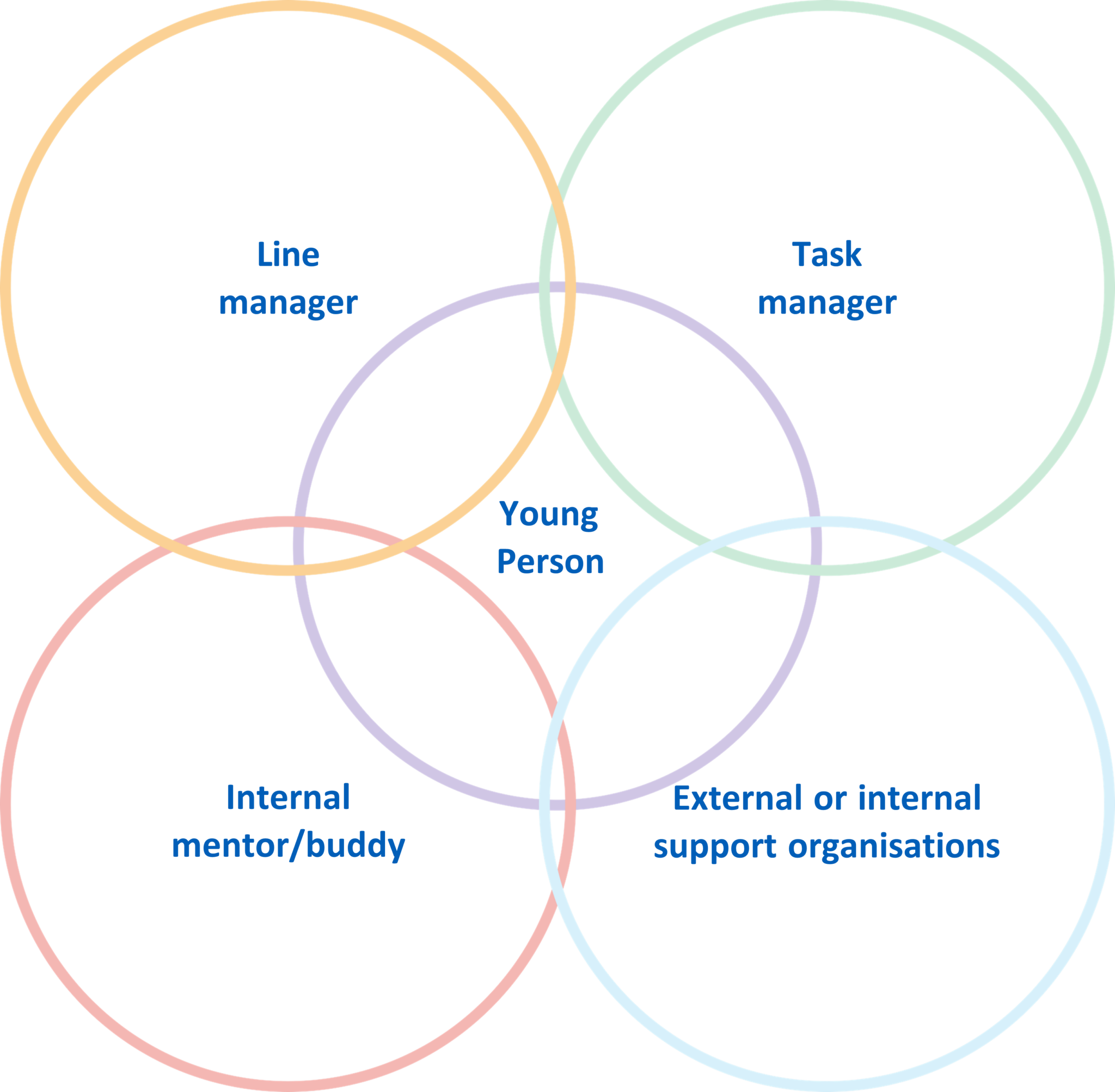
The Programme is thorough in its approach, starting from comprehensive audits of existing practices, establishing oversight mechanisms, and garnering executive backing. It recognizes that effective inclusion requires more than noble aims—it demands concrete steps.
In NHS Birmingham and Solihull ICB, where James found his footing, they've developed a regular internal communication network with representatives who can deliver support, advice, and guidance on personal welfare, HR matters, recruitment, and EDI initiatives.
The traditional NHS recruitment process—structured and often daunting—has been carefully modified. Job advertisements now focus on attitudinal traits rather than long lists of credentials. Application processes have been reimagined to address the particular difficulties care leavers might experience—from not having work-related contacts to struggling with internet access.
Possibly most crucially, the Programme recognizes that entering the workforce can create specific difficulties for care leavers who may be managing independent living without the support of familial aid. Matters like travel expenses, proper ID, and bank accounts—taken for granted by many—can become substantial hurdles.
The elegance of the Programme lies in its thorough planning—from explaining payslip deductions to offering travel loans until that essential first wage disbursement. Even ostensibly trivial elements like rest periods and office etiquette are thoughtfully covered.
For James, whose professional path has "revolutionized" his life, the Programme delivered more than employment. It provided him a feeling of connection—that ineffable quality that develops when someone senses worth not despite their background but because their particular journey improves the workplace.
"Working for the NHS isn't just about doctors and nurses," James observes, his expression revealing the modest fulfillment of someone who has discovered belonging. "It's about a community of different jobs and roles, a group of people who really connect."
The NHS Universal Family Programme exemplifies more than an work program. It exists as a powerful statement that institutions can adapt to embrace those who have known different challenges. In doing so, they not only change personal trajectories but improve their services through the special insights that care leavers bring to the table.
As James navigates his workplace, his participation silently testifies that with the right help, care leavers can thrive in environments once considered beyond reach. The embrace that the NHS has offered through this Programme represents not charity but appreciation of overlooked talent and the profound truth that everyone deserves a community that supports their growth.
댓글목록
등록된 댓글이 없습니다.