
NHS: A Universal Embrace
페이지 정보
작성자 Kathrin Matting… 작성일25-10-14 06:50 조회202회 댓글0건관련링크
본문
Among the organized chaos of medical professionals in Birmingham, a young man named James Stokes navigates his daily responsibilities with subtle confidence. His smart shoes whisper against the floor as he greets colleagues—some by name, others with the familiar currency of a "how are you."

James wears his NHS lanyard not merely as institutional identification but as a symbol of acceptance. It hangs against a well-maintained uniform that gives no indication of the challenging road that brought him here.
What distinguishes James from many of his colleagues is not obvious to the casual observer. His bearing reveals nothing of the fact that he was among the first beneficiaries of the NHS Universal Family Programme—an effort crafted intentionally for young people who have been through the care system.
"It felt like the NHS was putting its arm around me," James reflects, his voice controlled but revealing subtle passion. His remark encapsulates the essence of a programme that aims to reinvent how the vast healthcare system approaches care leavers—those often overlooked young people aged 16-25 who have emerged from the care system.
The statistics reveal a challenging reality. Care leavers frequently encounter poorer mental health outcomes, money troubles, shelter insecurities, and diminished educational achievements compared to their age-mates. Beneath these clinical numbers are individual journeys of young people who have traversed a system that, despite genuine attempts, often falls short in delivering the stable base that shapes most young lives.
The NHS Universal Family Programme, established in January 2023 following NHS England's commitment to the Care Leaver Covenant, represents a substantial transformation in organizational perspective. At its core, it recognizes that the complete state and civil society should function as a "universal family" for those who haven't experienced the constancy of a typical domestic environment.
Ten pioneering healthcare collectives across England have blazed the trail, developing systems that reimagine how the NHS—one of Europe's largest employers—can create pathways to care leavers.
The Programme is detailed in its methodology, starting from detailed evaluations of existing procedures, forming management frameworks, and obtaining executive backing. It acknowledges that meaningful participation requires more than lofty goals—it demands practical measures.
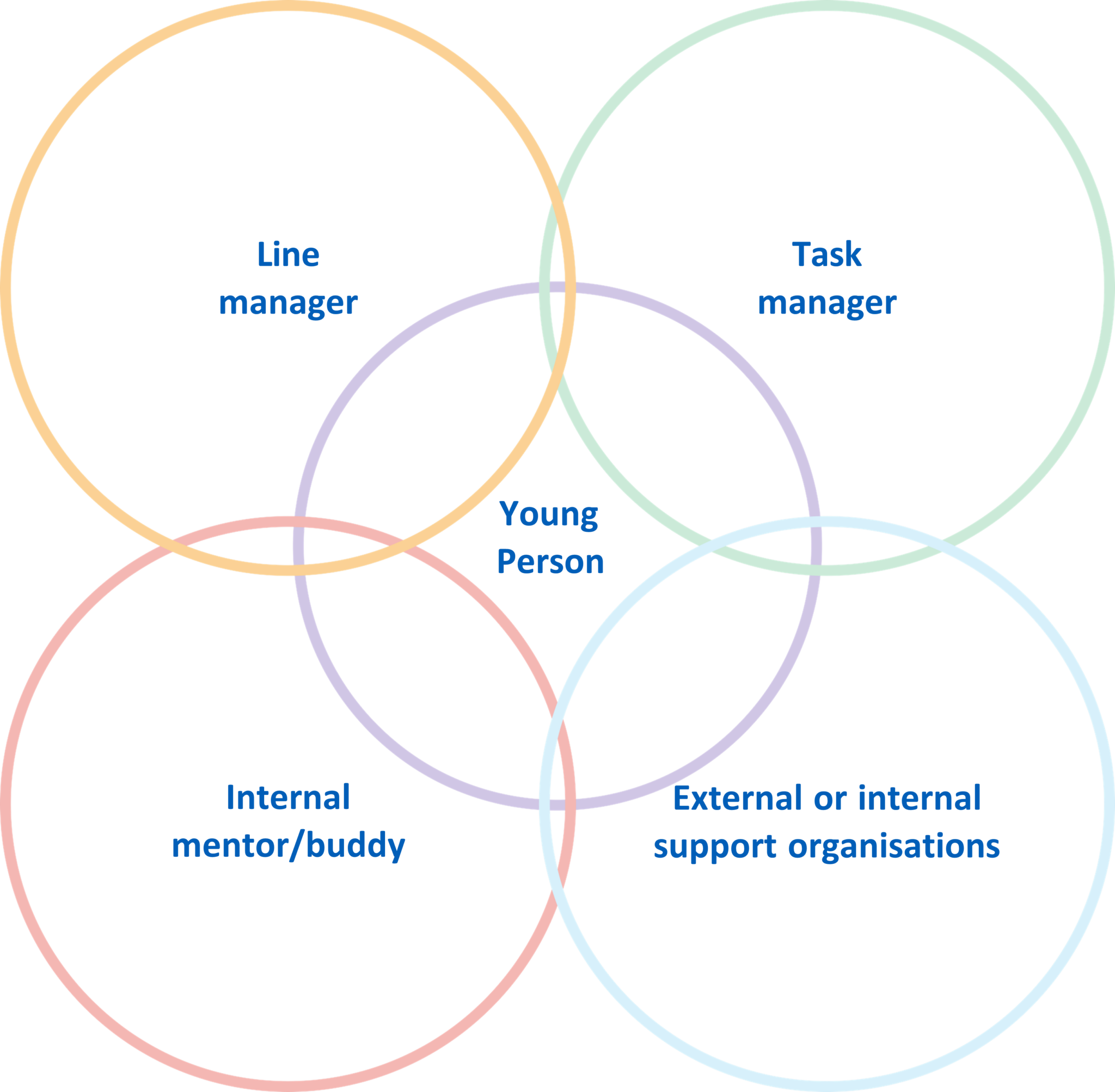
In NHS Birmingham and Solihull ICB, where James found his footing, they've developed a consistent support system with representatives who can provide help and direction on wellbeing, HR matters, recruitment, and equality, diversity, and inclusion.
The conventional NHS recruitment process—rigid and possibly overwhelming—has been intentionally adjusted. Job advertisements now emphasize attitudinal traits rather than long lists of credentials. Applications have been reconsidered to accommodate the unique challenges care leavers might face—from lacking professional references to facing barriers to internet access.
Possibly most crucially, the Programme acknowledges that starting a job can present unique challenges for care leavers who may be handling self-sufficiency without the support of familial aid. Issues like travel expenses, personal documentation, and banking arrangements—considered standard by many—can become substantial hurdles.
The beauty of the Programme lies in its attention to detail—from clarifying salary details to providing transportation assistance until that crucial first payday. Even seemingly minor aspects like coffee breaks and professional behavior are thoughtfully covered.
For James, whose career trajectory has "changed" his life, the Programme delivered more than work. It offered him a feeling of connection—that ineffable quality that emerges when someone feels valued not despite their past but because their unique life experiences improves the workplace.
"Working for the NHS isn't just about doctors and nurses," James observes, his eyes reflecting the quiet pride of someone who has discovered belonging. "It's about a family of different jobs and roles, a group of people who truly matter."
The NHS Universal Family Programme represents more than an work program. It stands as a powerful statement that institutions can evolve to welcome those who have known different challenges. In doing so, they not only change personal trajectories but enhance their operations through the unique perspectives that care leavers contribute.
As James navigates his workplace, his presence quietly demonstrates that with the right support, care leavers can flourish in environments once considered beyond reach. The support that the NHS has provided through this Programme signifies not charity but acknowledgment of overlooked talent and the essential fact that each individual warrants a community that champions their success.
댓글목록
등록된 댓글이 없습니다.