
NHS: The Family They Never Had
페이지 정보
작성자 Daniele 작성일25-10-14 21:22 조회220회 댓글0건관련링크
본문

In the sterile corridors of Birmingham Women's and Children's NHS Foundation Trust, a young man named James Stokes carries himself with the measured poise of someone who has found his place. His polished footwear barely make a sound as he greets colleagues—some by name, others with the comfortable currency of a "good morning."
James carries his identification not merely as institutional identification but as a declaration of inclusion. It hangs against a well-maintained uniform that gives no indication of the tumultuous journey that led him to this place.
What sets apart James from many of his colleagues is not obvious to the casual observer. His demeanor reveals nothing of the fact that he was among the first recruits of the NHS Universal Family Programme—an undertaking designed specifically for young people who have spent time in care.
"It felt like the NHS was putting its arm around me," James reflects, his voice steady but carrying undertones of feeling. His statement encapsulates the core of a programme that strives to reinvent how the vast healthcare system approaches care leavers—those vulnerable young people aged 16-25 who have emerged from the care system.
The statistics reveal a challenging reality. Care leavers commonly experience greater psychological challenges, money troubles, shelter insecurities, and lower academic success compared to their contemporaries. Behind these clinical numbers are human stories of young people who have traversed a system that, despite good efforts, regularly misses the mark in providing the nurturing environment that forms most young lives.
The NHS Universal Family Programme, launched in January 2023 following NHS England's promise to the Care Leaver Covenant, represents a profound shift in institutional thinking. At its core, it accepts that the whole state and civil society should function as a "collective parent" for those who haven't known the stability of a traditional family setting.
Ten pathfinder integrated care boards across England have blazed the trail, creating systems that reconceptualize how the NHS—one of Europe's largest employers—can create pathways to care leavers.
The Programme is detailed in its methodology, initiating with comprehensive audits of existing procedures, creating management frameworks, and obtaining leadership support. It understands that effective inclusion requires more than good intentions—it demands tangible actions.
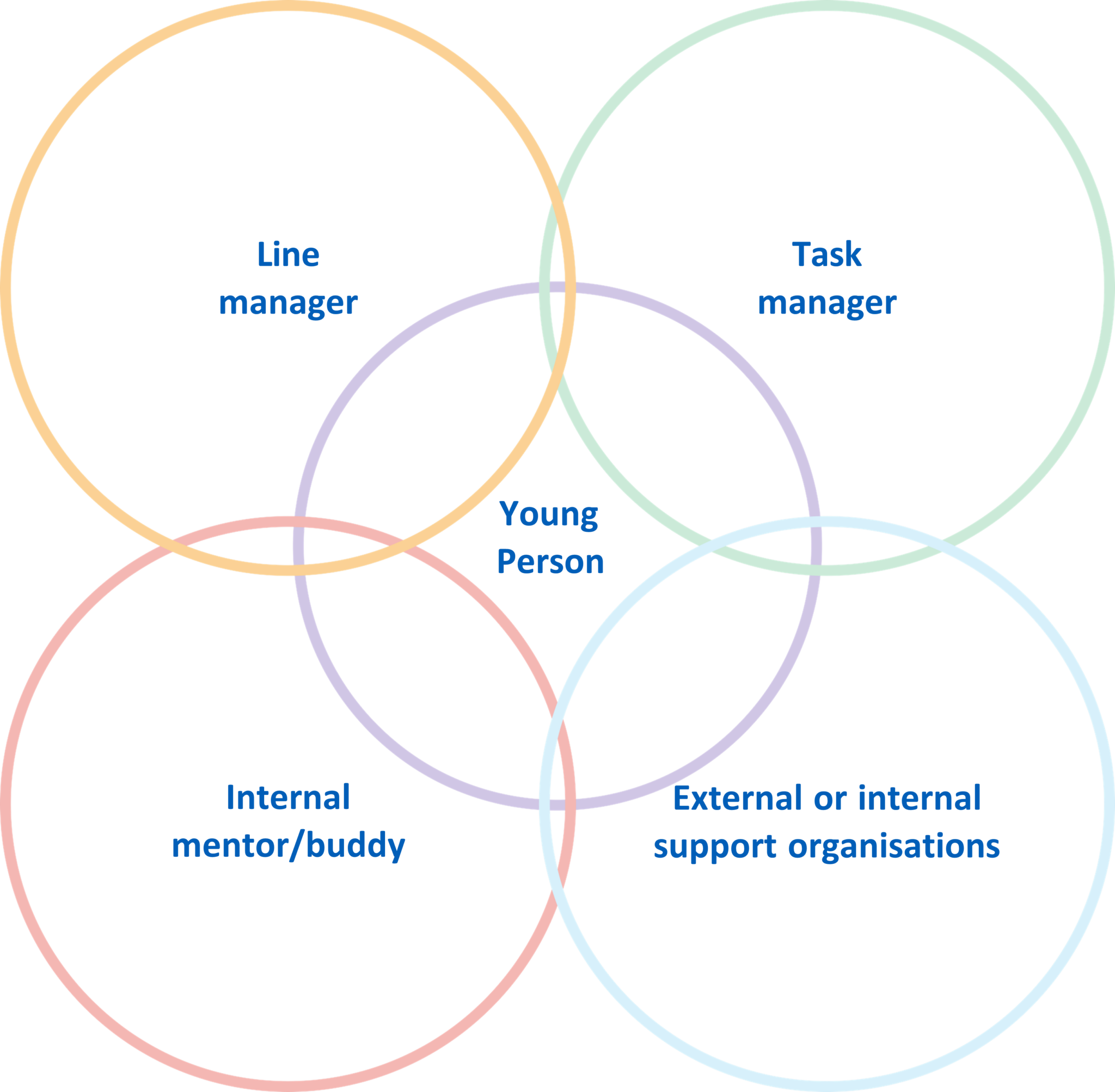
In NHS Birmingham and Solihull ICB, where James found his footing, they've developed a consistent support system with representatives who can deliver assistance and counsel on personal welfare, HR matters, recruitment, and EDI initiatives.
The conventional NHS recruitment process—structured and potentially intimidating—has been intentionally adjusted. Job advertisements now focus on personal qualities rather than extensive qualifications. Application procedures have been reconsidered to consider the unique challenges care leavers might encounter—from lacking professional references to having limited internet access.
Perhaps most significantly, the Programme acknowledges that starting a job can pose particular problems for care leavers who may be handling self-sufficiency without the backup of family resources. Issues like commuting fees, proper ID, and financial services—taken for granted by many—can become major obstacles.
The brilliance of the Programme lies in its attention to detail—from clarifying salary details to helping with commuting costs until that critical first wage disbursement. Even seemingly minor aspects like rest periods and workplace conduct are carefully explained.
For James, whose professional path has "changed" his life, the Programme offered more than employment. It provided him a perception of inclusion—that intangible quality that emerges when someone is appreciated not despite their history but because their unique life experiences improves the organization.
"Working for the NHS isn't just about doctors and nurses," James observes, his eyes reflecting the modest fulfillment of someone who has secured his position. "It's about a collective of different jobs and roles, a family of people who really connect."
The NHS Universal Family Programme embodies more than an work program. It exists as a powerful statement that institutions can change to include those who have experienced life differently. In doing so, they not only transform individual lives but enrich themselves through the distinct viewpoints that care leavers provide.
As James moves through the hospital, his involvement silently testifies that with the right support, care leavers can thrive in environments once considered beyond reach. The embrace that the NHS has extended through this Programme signifies not charity but appreciation of hidden abilities and the essential fact that all people merit a support system that champions their success.
댓글목록
등록된 댓글이 없습니다.