
NHS: The Family They Never Had
페이지 정보
작성자 Wilda 작성일25-10-14 06:44 조회233회 댓글0건관련링크
본문
Among the organized chaos of medical professionals in Birmingham, a young man named James Stokes moves with quiet purpose. His oxford shoes move with deliberate precision as he acknowledges colleagues—some by name, others with the comfortable currency of a "hello there."
James displays his credentials not merely as institutional identification but as a declaration of inclusion. It sits against a pressed shirt that betrays nothing of the difficult path that brought him here.
What sets apart James from many of his colleagues is not obvious to the casual observer. His demeanor discloses nothing of the fact that he was among the first participants of the NHS Universal Family Programme—an effort created purposefully for young people who have spent time in care.
"I found genuine support within the NHS structure," James explains, his voice measured but revealing subtle passion. His statement captures the essence of a programme that seeks to reinvent how the enormous healthcare system approaches care leavers—those vulnerable young people aged 16-25 who have graduated out of the care system.
The figures paint a stark picture. Care leavers frequently encounter poorer mental health outcomes, money troubles, housing precarity, and diminished educational achievements compared to their contemporaries. Underlying these clinical numbers are individual journeys of young people who have navigated a system that, despite good efforts, regularly misses the mark in delivering the nurturing environment that molds most young lives.
The NHS Universal Family Programme, initiated in January 2023 following NHS England's promise to the Care Leaver Covenant, signifies a substantial transformation in systemic approach. At its heart, it accepts that the whole state and civil society should function as a "collective parent" for those who have missed out on the security of a conventional home.
Ten pioneering healthcare collectives across England have led the way, developing systems that reimagine how the NHS—one of Europe's largest employers—can create pathways to care leavers.
The Programme is meticulous in its strategy, starting from detailed evaluations of existing practices, forming governance structures, and obtaining leadership support. It recognizes that successful integration requires more than noble aims—it demands tangible actions.
In NHS Birmingham and Solihull ICB, where James found his footing, they've created a consistent support system with representatives who can provide support, advice, and guidance on wellbeing, HR matters, recruitment, and inclusivity efforts.
The standard NHS recruitment process—structured and often daunting—has been carefully modified. Job advertisements now emphasize attitudinal traits rather than numerous requirements. Applications have been reconsidered to consider the unique challenges care leavers might face—from not having work-related contacts to struggling with internet access.
Possibly most crucially, the Programme acknowledges that beginning employment can present unique challenges for care leavers who may be handling self-sufficiency without the safety net of familial aid. Concerns like commuting fees, identification documents, and financial services—assumed basic by many—can become substantial hurdles.
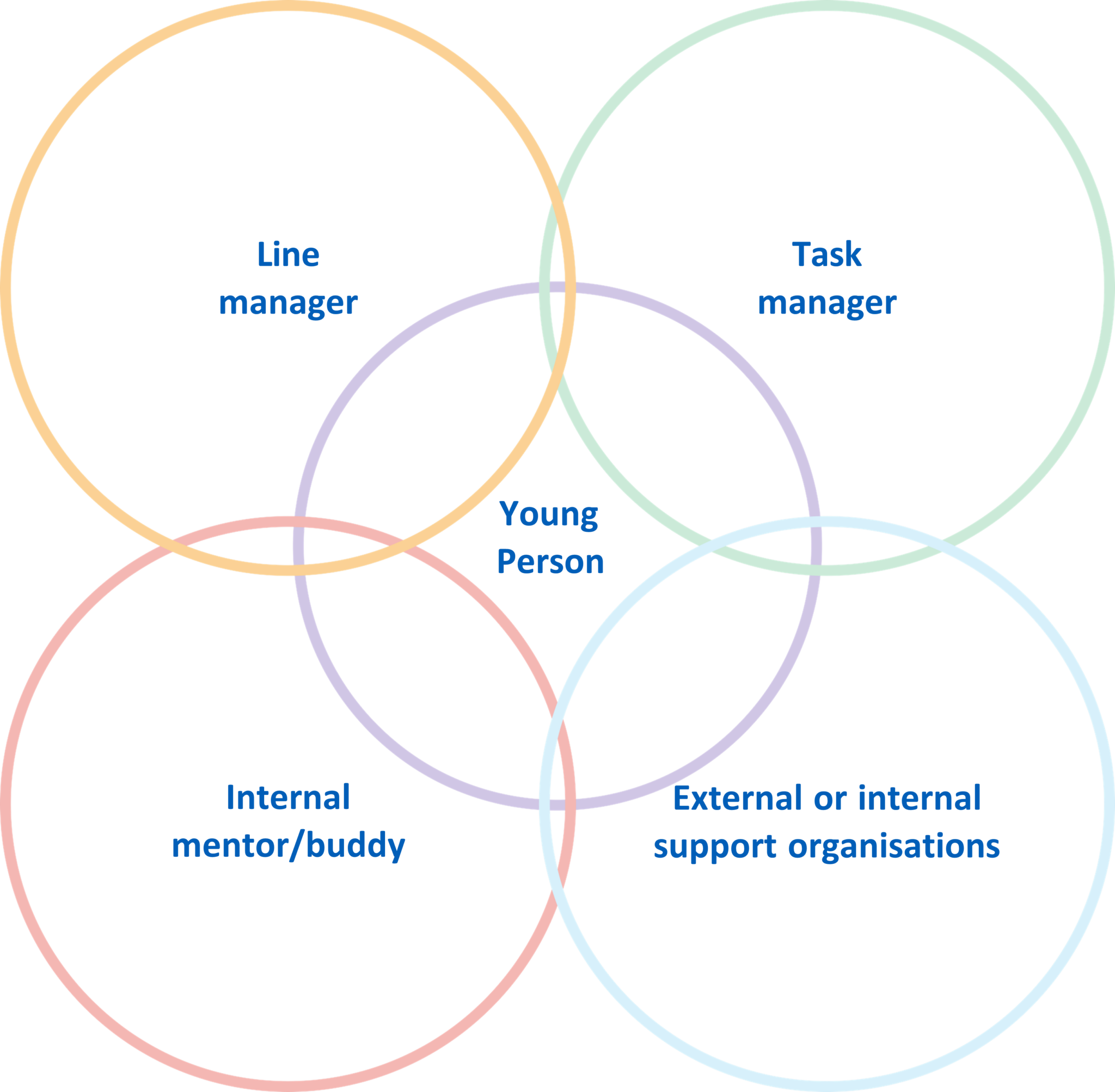
The beauty of the Programme lies in its attention to detail—from clarifying salary details to providing transportation assistance until that crucial first wage disbursement. Even ostensibly trivial elements like coffee breaks and professional behavior are deliberately addressed.

For James, whose NHS journey has "transformed" his life, the Programme delivered more than a job. It offered him a sense of belonging—that intangible quality that grows when someone feels valued not despite their background but because their particular journey enriches the institution.
"Working for the NHS isn't just about doctors and nurses," James comments, his gaze showing the quiet pride of someone who has secured his position. "It's about a collective of different jobs and roles, a team of people who really connect."
The NHS Universal Family Programme represents more than an job scheme. It stands as a powerful statement that organizations can evolve to welcome those who have known different challenges. In doing so, they not only transform individual lives but improve their services through the distinct viewpoints that care leavers bring to the table.
As James navigates his workplace, his participation quietly demonstrates that with the right help, care leavers can flourish in environments once thought inaccessible. The embrace that the NHS has offered through this Programme represents not charity but appreciation of overlooked talent and the profound truth that all people merit a community that believes in them.
댓글목록
등록된 댓글이 없습니다.