
NHS: The Family They Never Had
페이지 정보
작성자 Bert 작성일25-10-13 05:39 조회219회 댓글0건관련링크
본문
In the sterile corridors of Birmingham Women's and Children's NHS Foundation Trust, a young man named James Stokes navigates his daily responsibilities with subtle confidence. His smart shoes barely make a sound as he exchanges pleasantries with colleagues—some by name, others with the comfortable currency of a "hello there."
James wears his NHS lanyard not merely as institutional identification but as a testament of acceptance. It sits against a well-maintained uniform that gives no indication of the tumultuous journey that brought him here.
What separates James from many of his colleagues is not obvious to the casual observer. His bearing gives away nothing of the fact that he was among the first participants of the NHS Universal Family Programme—an undertaking crafted intentionally for young people who have been through the care system.
"It felt like the NHS was putting its arm around me," James explains, his voice controlled but tinged with emotion. His remark encapsulates the core of a programme that seeks to reinvent how the enormous healthcare system perceives care leavers—those vulnerable young people aged 16-25 who have graduated out of the care system.
The numbers paint a stark picture. Care leavers often face higher rates of mental health issues, money troubles, accommodation difficulties, and reduced scholarly attainment compared to their contemporaries. Underlying these cold statistics are human stories of young people who have maneuvered through a system that, despite best intentions, often falls short in offering the supportive foundation that shapes most young lives.
The NHS Universal Family Programme, initiated in January 2023 following NHS England's promise to the Care Leaver Covenant, represents a substantial transformation in organizational perspective. At its core, it acknowledges that the complete state and civil society should function as a "communal support system" for those who haven't experienced the stability of a typical domestic environment.
Ten pathfinder integrated care boards across England have blazed the trail, establishing frameworks that rethink how the NHS—one of Europe's largest employers—can open its doors to care leavers.
The Programme is meticulous in its approach, initiating with comprehensive audits of existing practices, creating management frameworks, and securing executive backing. It acknowledges that successful integration requires more than good intentions—it demands concrete steps.
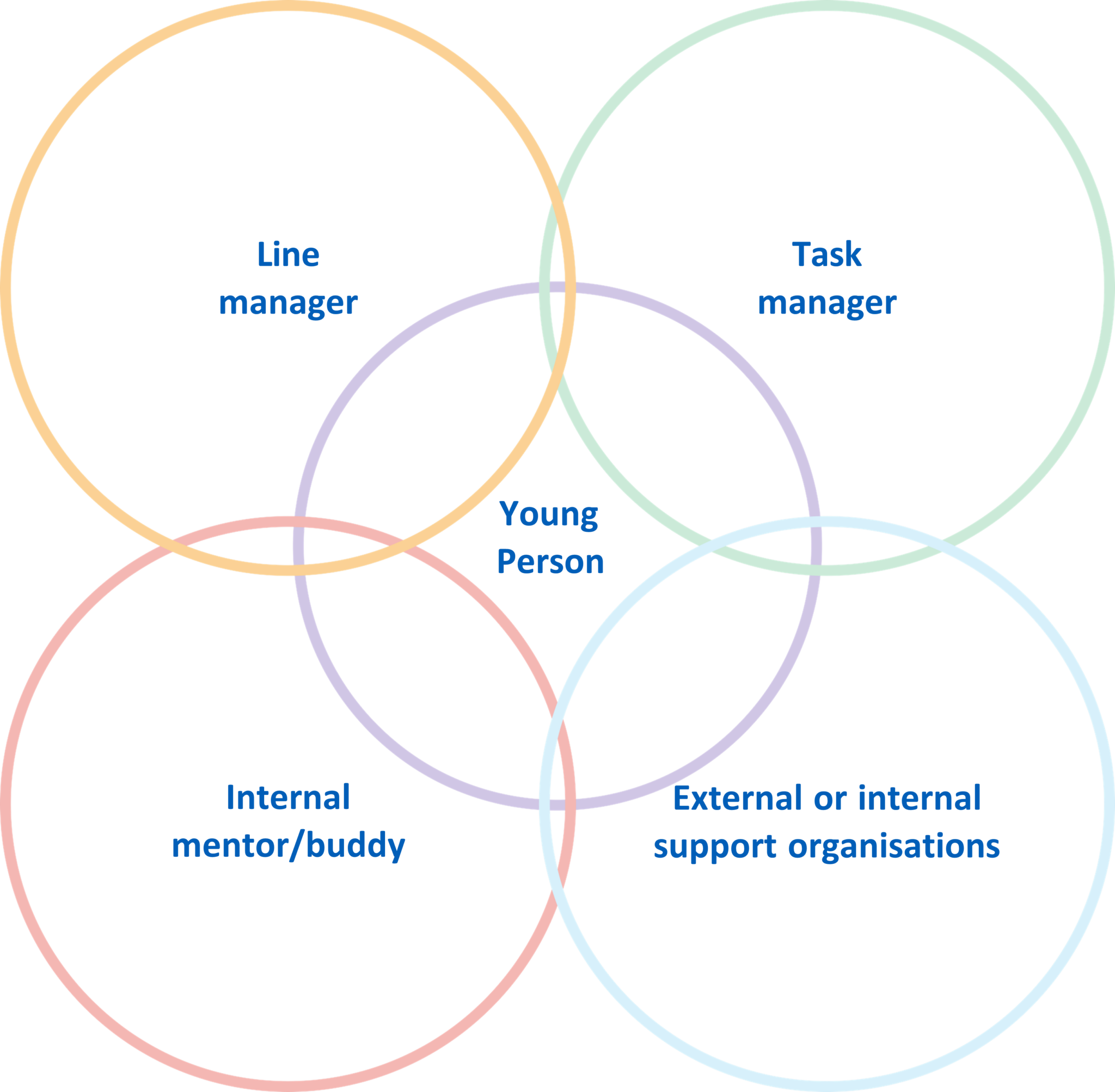
In NHS Birmingham and Solihull ICB, where James began his journey, they've established a consistent support system with representatives who can provide assistance and counsel on personal welfare, HR matters, recruitment, and inclusivity efforts.
The standard NHS recruitment process—formal and potentially intimidating—has been thoughtfully adapted. Job advertisements now highlight character attributes rather than numerous requirements. Application processes have been redesigned to consider the specific obstacles care leavers might experience—from missing employment history to having limited internet access.
Possibly most crucially, the Programme understands that starting a job can pose particular problems for care leavers who may be navigating autonomy without the support of family resources. Issues like transportation costs, personal documentation, and banking arrangements—considered standard by many—can become significant barriers.

The elegance of the Programme lies in its attention to detail—from clarifying salary details to providing transportation assistance until that essential first payday. Even ostensibly trivial elements like break times and professional behavior are deliberately addressed.
For James, whose career trajectory has "changed" his life, the Programme offered more than a job. It provided him a sense of belonging—that intangible quality that develops when someone is appreciated not despite their past but because their unique life experiences enhances the institution.
"Working for the NHS isn't just about doctors and nurses," James observes, his gaze showing the modest fulfillment of someone who has found his place. "It's about a community of different jobs and roles, a group of people who genuinely care."
The NHS Universal Family Programme exemplifies more than an job scheme. It stands as a strong assertion that institutions can change to embrace those who have navigated different paths. In doing so, they not only alter individual futures but improve their services through the distinct viewpoints that care leavers contribute.
As James walks the corridors, his participation silently testifies that with the right assistance, care leavers can thrive in environments once considered beyond reach. The support that the NHS has offered through this Programme signifies not charity but acknowledgment of untapped potential and the profound truth that each individual warrants a family that believes in them.
댓글목록
등록된 댓글이 없습니다.