
NHS: The Family They Never Had
페이지 정보
작성자 Hugo Wintle 작성일25-10-11 04:12 조회172회 댓글0건관련링크
본문
Among the organized chaos of medical professionals in Birmingham, a young man named James Stokes carries himself with the measured poise of someone who has found his place. His smart shoes whisper against the floor as he greets colleagues—some by name, others with the familiar currency of a "good morning."
James displays his credentials not merely as an employee badge but as a testament of inclusion. It sits against a well-maintained uniform that betrays nothing of the difficult path that preceded his arrival.
What separates James from many of his colleagues is not visible on the surface. His demeanor gives away nothing of the fact that he was among the first beneficiaries of the NHS Universal Family Programme—an effort designed specifically for young people who have experienced life in local authority care.
"The Programme embraced me when I needed it most," James reflects, his voice steady but revealing subtle passion. His remark captures the core of a programme that seeks to revolutionize how the vast healthcare system views care leavers—those often overlooked young people aged 16-25 who have transitioned from the care system.
The numbers paint a stark picture. Care leavers commonly experience higher rates of mental health issues, money troubles, accommodation difficulties, and lower academic success compared to their peers. Underlying these impersonal figures are personal narratives of young people who have navigated a system that, despite good efforts, frequently fails in delivering the stable base that shapes most young lives.
The NHS Universal Family Programme, launched in January 2023 following NHS England's pledge to the Care Leaver Covenant, signifies a substantial transformation in organizational perspective. At its core, it recognizes that the whole state and civil society should function as a "universal family" for those who haven't experienced the security of a conventional home.
Ten pioneering healthcare collectives across England have led the way, developing structures that rethink how the NHS—one of Europe's largest employers—can create pathways to care leavers.
The Programme is detailed in its approach, beginning with detailed evaluations of existing procedures, creating management frameworks, and garnering senior buy-in. It recognizes that meaningful participation requires more than noble aims—it demands practical measures.
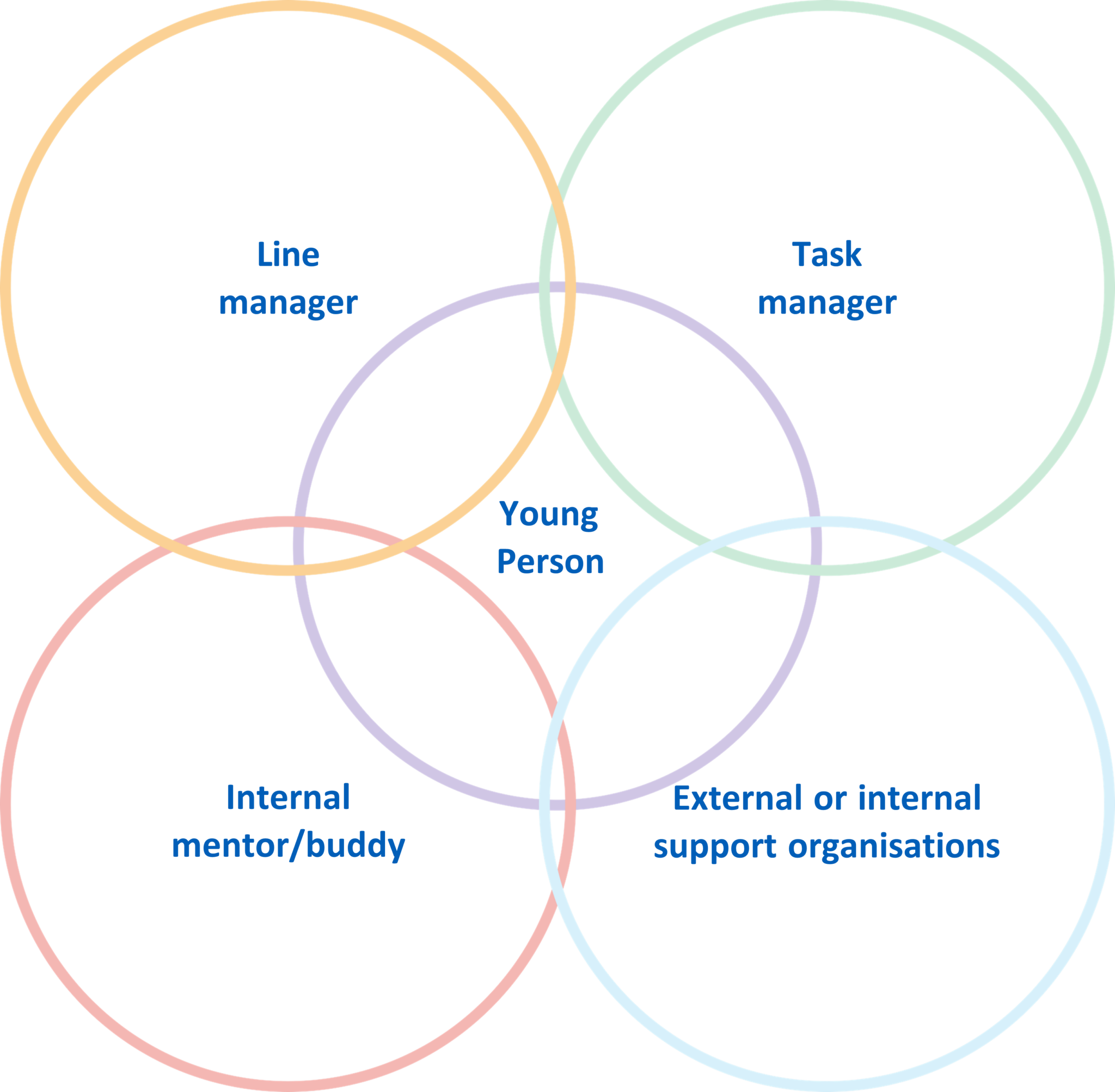
In NHS Birmingham and Solihull ICB, where James began his journey, they've created a regular internal communication network with representatives who can deliver help and direction on personal welfare, HR matters, recruitment, and equality, diversity, and inclusion.
The traditional NHS recruitment process—formal and potentially intimidating—has been thoughtfully adapted. Job advertisements now emphasize attitudinal traits rather than numerous requirements. Application processes have been redesigned to accommodate the particular difficulties care leavers might experience—from missing employment history to struggling with internet access.
Maybe most importantly, the Programme acknowledges that entering the workforce can present unique challenges for care leavers who may be handling self-sufficiency without the safety net of family resources. Concerns like commuting fees, proper ID, and bank accounts—assumed basic by many—can become substantial hurdles.
The beauty of the Programme lies in its attention to detail—from outlining compensation information to helping with commuting costs until that crucial first salary payment. Even ostensibly trivial elements like coffee breaks and professional behavior are carefully explained.
For James, whose career trajectory has "revolutionized" his life, the Programme offered more than a job. It offered him a feeling of connection—that elusive quality that grows when someone is appreciated not despite their history but because their unique life experiences improves the workplace.
"Working for the NHS isn't just about doctors and nurses," James comments, his gaze showing the subtle satisfaction of someone who has secured his position. "It's about a community of different jobs and roles, a group of people who really connect."
The NHS Universal Family Programme embodies more than an work program. It functions as a powerful statement that organizations can change to include those who have experienced life differently. In doing so, they not only transform individual lives but improve their services through the unique perspectives that care leavers contribute.
As James moves through the hospital, his participation silently testifies that with the right support, care leavers can thrive in environments once considered beyond reach. The support that the NHS has provided through this Programme signifies not charity but appreciation of hidden abilities and the fundamental reality that all people merit a community that supports their growth.

댓글목록
등록된 댓글이 없습니다.