
NHS: A Universal Embrace
페이지 정보
작성자 Beatriz 작성일25-10-08 23:31 조회188회 댓글0건관련링크
본문
In the sterile corridors of Birmingham Women's and Children's NHS Foundation Trust, a young man named James Stokes moves with quiet purpose. His oxford shoes barely make a sound as he greets colleagues—some by name, others with the universal currency of a "good morning."
James displays his credentials not merely as institutional identification but as a testament of belonging. It sits against a neatly presented outfit that betrays nothing of the challenging road that preceded his arrival.
What separates James from many of his colleagues is not visible on the surface. His presence reveals nothing of the fact that he was among the first recruits of the NHS Universal Family Programme—an effort crafted intentionally for young people who have spent time in care.
"It felt like the NHS was putting its arm around me," James explains, his voice steady but carrying undertones of feeling. His statement captures the core of a programme that seeks to reinvent how the enormous healthcare system perceives care leavers—those often overlooked young people aged 16-25 who have emerged from the care system.
The numbers paint a stark picture. Care leavers frequently encounter greater psychological challenges, money troubles, housing precarity, and diminished educational achievements compared to their peers. Behind these impersonal figures are human stories of young people who have navigated a system that, despite genuine attempts, regularly misses the mark in providing the stable base that forms most young lives.
The NHS Universal Family Programme, initiated in January 2023 following NHS England's commitment to the Care Leaver Covenant, embodies a significant change in institutional thinking. Fundamentally, it recognizes that the whole state and civil society should function as a "universal family" for those who have missed out on the security of a traditional family setting.
Ten pathfinder integrated care boards across England have charted the course, creating systems that reimagine how the NHS—one of Europe's largest employers—can create pathways to care leavers.
The Programme is meticulous in its approach, beginning with thorough assessments of existing procedures, forming management frameworks, and garnering senior buy-in. It acknowledges that successful integration requires more than noble aims—it demands tangible actions.
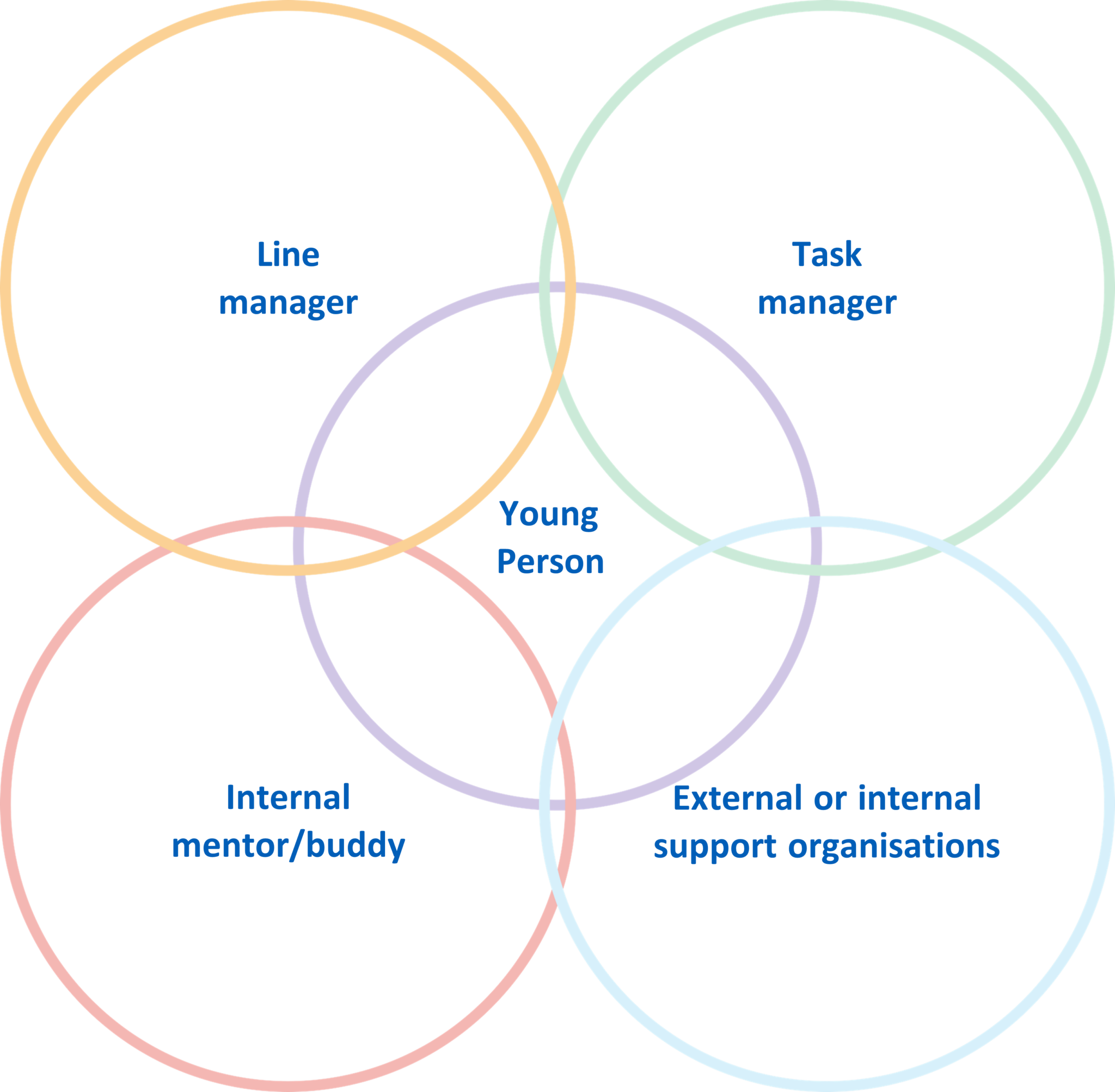
In NHS Birmingham and Solihull ICB, where James began his journey, they've developed a consistent support system with representatives who can provide help and direction on personal welfare, HR matters, recruitment, and inclusivity efforts.
The conventional NHS recruitment process—formal and potentially intimidating—has been intentionally adjusted. Job advertisements now emphasize personal qualities rather than extensive qualifications. Application procedures have been redesigned to accommodate the specific obstacles care leavers might face—from missing employment history to facing barriers to internet access.
Maybe most importantly, the Programme acknowledges that starting a job can pose particular problems for care leavers who may be navigating autonomy without the safety net of parental assistance. Issues like travel expenses, personal documentation, and bank accounts—taken for granted by many—can become substantial hurdles.
The beauty of the Programme lies in its meticulous consideration—from explaining payslip deductions to helping with commuting costs until that crucial first salary payment. Even apparently small matters like break times and professional behavior are thoughtfully covered.
For James, whose NHS journey has "transformed" his life, the Programme delivered more than employment. It gave him a feeling of connection—that elusive quality that grows when someone feels valued not despite their history but because their particular journey improves the workplace.
"Working for the NHS isn't just about doctors and nurses," James observes, his expression revealing the modest fulfillment of someone who has found his place. "It's about a family of different jobs and roles, a family of people who genuinely care."

The NHS Universal Family Programme embodies more than an job scheme. It functions as a strong assertion that institutions can adapt to include those who have navigated different paths. In doing so, they not only transform individual lives but enrich themselves through the distinct viewpoints that care leavers provide.
As James moves through the hospital, his presence subtly proves that with the right support, care leavers can thrive in environments once deemed unattainable. The arm that the NHS has provided through this Programme signifies not charity but appreciation of untapped potential and the essential fact that each individual warrants a family that supports their growth.
댓글목록
등록된 댓글이 없습니다.