
NHS: Belonging in White Corridors
페이지 정보
작성자 Dallas 작성일25-10-08 23:50 조회183회 댓글0건관련링크
본문
Within the bustling halls of an NHS hospital in Birmingham, a young man named James Stokes navigates his daily responsibilities with subtle confidence. His oxford shoes move with deliberate precision as he exchanges pleasantries with colleagues—some by name, others with the familiar currency of a "hello there."
James displays his credentials not merely as institutional identification but as a symbol of acceptance. It sits against a well-maintained uniform that offers no clue of the challenging road that led him to this place.
What separates James from many of his colleagues is not immediately apparent. His bearing gives away nothing of the fact that he was among the first participants of the NHS Universal Family Programme—an initiative created purposefully for young people who have been through the care system.
"It felt like the NHS was putting its arm around me," James says, his voice steady but revealing subtle passion. His statement summarizes the heart of a programme that aims to transform how the enormous healthcare system approaches care leavers—those frequently marginalized young people aged 16-25 who have graduated out of the care system.
The statistics tell a troubling story. Care leavers frequently encounter poorer mental health outcomes, money troubles, shelter insecurities, and lower academic success compared to their age-mates. Beneath these impersonal figures are individual journeys of young people who have maneuvered through a system that, despite good efforts, frequently fails in offering the stable base that shapes most young lives.
The NHS Universal Family Programme, launched in January 2023 following NHS England's promise to the Care Leaver Covenant, signifies a profound shift in institutional thinking. Fundamentally, it acknowledges that the complete state and civil society should function as a "universal family" for those who haven't known the security of a traditional family setting.
Ten pioneering healthcare collectives across England have blazed the trail, creating systems that rethink how the NHS—one of Europe's largest employers—can create pathways to care leavers.
The Programme is meticulous in its strategy, beginning with detailed evaluations of existing policies, forming governance structures, and securing senior buy-in. It recognizes that effective inclusion requires more than noble aims—it demands concrete steps.
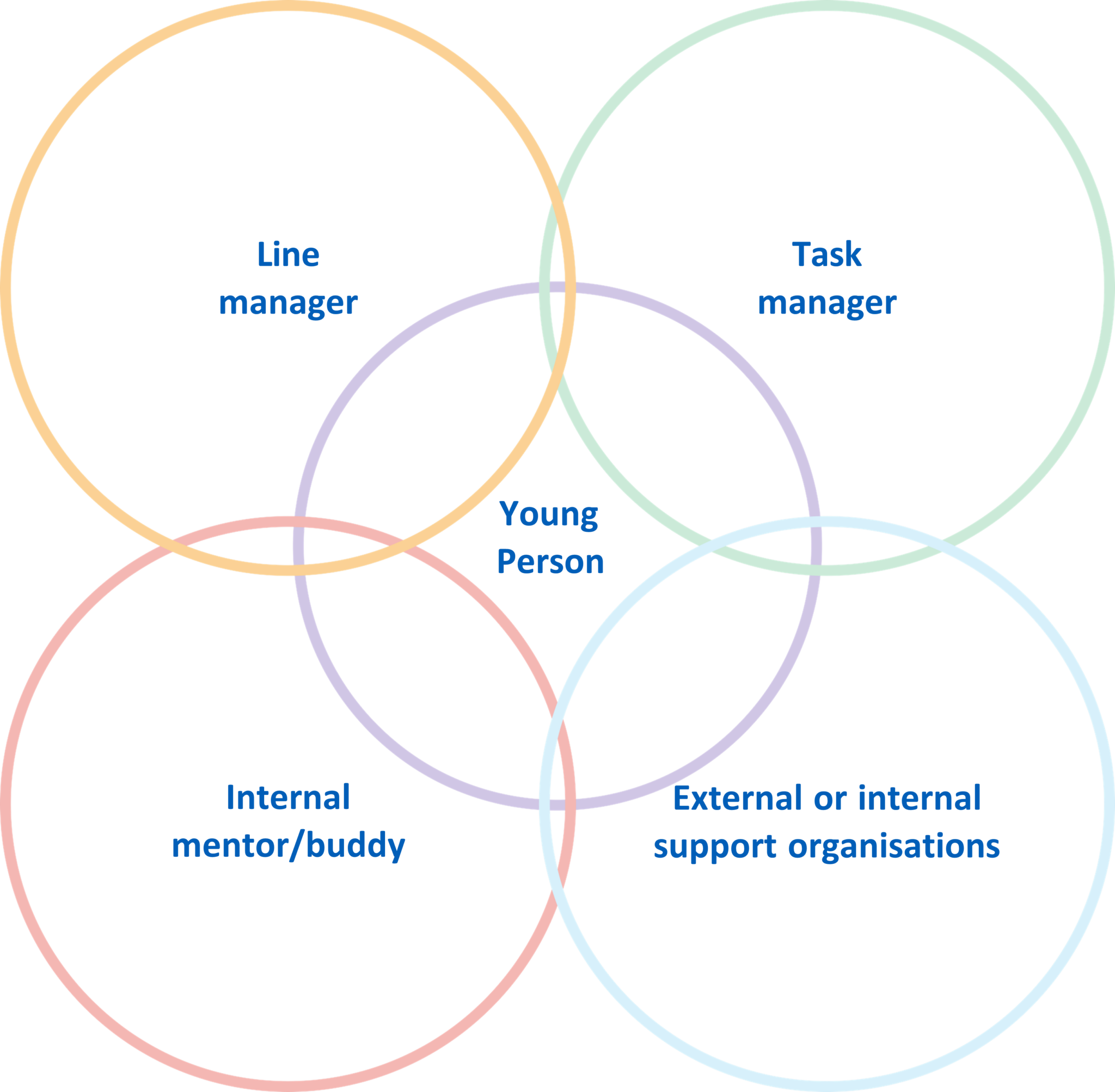
In NHS Birmingham and Solihull ICB, where James found his footing, they've created a regular internal communication network with representatives who can offer help and direction on mental health, HR matters, recruitment, and inclusivity efforts.
The conventional NHS recruitment process—structured and possibly overwhelming—has been intentionally adjusted. Job advertisements now emphasize personal qualities rather than numerous requirements. Application procedures have been redesigned to accommodate the unique challenges care leavers might experience—from not having work-related contacts to facing barriers to internet access.
Maybe most importantly, the Programme understands that entering the workforce can present unique challenges for care leavers who may be navigating autonomy without the support of family resources. Concerns like transportation costs, identification documents, and financial services—considered standard by many—can become substantial hurdles.
The brilliance of the Programme lies in its attention to detail—from clarifying salary details to helping with commuting costs until that essential first payday. Even seemingly minor aspects like rest periods and workplace conduct are carefully explained.
For James, whose career trajectory has "revolutionized" his life, the Programme offered more than employment. It provided him a feeling of connection—that ineffable quality that develops when someone feels valued not despite their history but because their particular journey improves the workplace.

"Working for the NHS isn't just about doctors and nurses," James observes, his eyes reflecting the modest fulfillment of someone who has discovered belonging. "It's about a community of different jobs and roles, a group of people who really connect."
The NHS Universal Family Programme represents more than an work program. It functions as a bold declaration that systems can evolve to include those who have known different challenges. In doing so, they not only alter individual futures but improve their services through the special insights that care leavers contribute.
As James navigates his workplace, his involvement quietly demonstrates that with the right help, care leavers can flourish in environments once thought inaccessible. The embrace that the NHS has offered through this Programme represents not charity but appreciation of overlooked talent and the essential fact that each individual warrants a community that supports their growth.
댓글목록
등록된 댓글이 없습니다.