
NHS: A Universal Embrace
페이지 정보
작성자 Mickey 작성일25-10-06 23:35 조회194회 댓글0건관련링크
본문

In the sterile corridors of Birmingham Women's and Children's NHS Foundation Trust, a young man named James Stokes navigates his daily responsibilities with subtle confidence. His oxford shoes move with deliberate precision as he exchanges pleasantries with colleagues—some by name, others with the familiar currency of a "hello there."
James carries his identification not merely as an employee badge but as a symbol of inclusion. It sits against a pressed shirt that betrays nothing of the difficult path that preceded his arrival.
What separates James from many of his colleagues is not obvious to the casual observer. His bearing gives away nothing of the fact that he was among the first beneficiaries of the NHS Universal Family Programme—an undertaking designed specifically for young people who have spent time in care.
"I found genuine support within the NHS structure," James reflects, his voice controlled but tinged with emotion. His remark encapsulates the essence of a programme that strives to revolutionize how the vast healthcare system approaches care leavers—those often overlooked young people aged 16-25 who have emerged from the care system.
The figures reveal a challenging reality. Care leavers commonly experience higher rates of mental health issues, economic uncertainty, shelter insecurities, and lower academic success compared to their peers. Behind these clinical numbers are human stories of young people who have navigated a system that, despite good efforts, frequently fails in offering the supportive foundation that molds most young lives.
The NHS Universal Family Programme, initiated in January 2023 following NHS England's commitment to the Care Leaver Covenant, embodies a significant change in organizational perspective. Fundamentally, it acknowledges that the entire state and civil society should function as a "collective parent" for those who haven't known the constancy of a conventional home.
A select group of healthcare regions across England have charted the course, establishing frameworks that reconceptualize how the NHS—one of Europe's largest employers—can create pathways to care leavers.
The Programme is detailed in its methodology, beginning with comprehensive audits of existing policies, creating governance structures, and obtaining leadership support. It acknowledges that effective inclusion requires more than good intentions—it demands concrete steps.
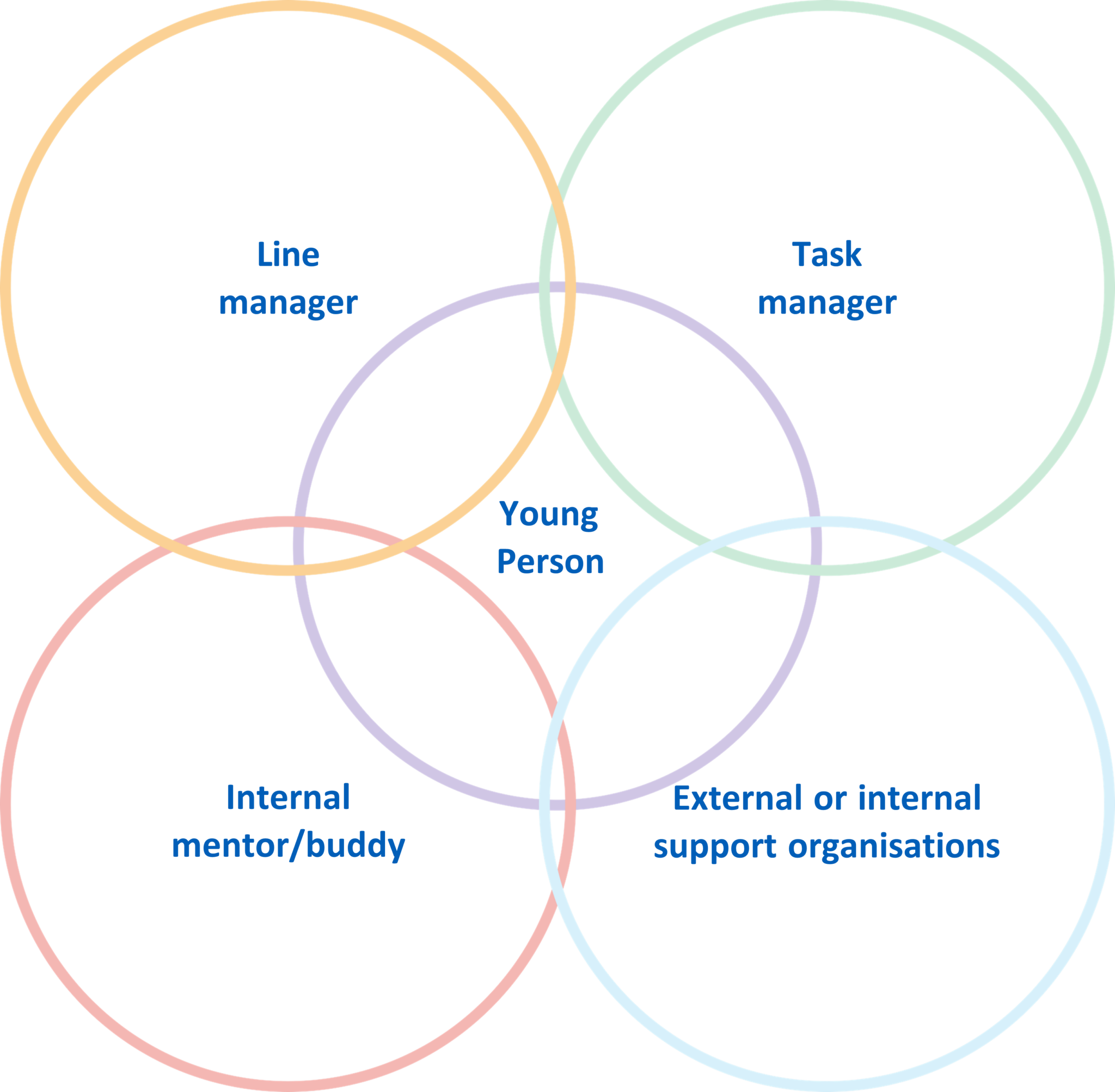
In NHS Birmingham and Solihull ICB, where James found his footing, they've established a reliable information exchange with representatives who can offer help and direction on personal welfare, HR matters, recruitment, and EDI initiatives.
The standard NHS recruitment process—rigid and often daunting—has been intentionally adjusted. Job advertisements now emphasize character attributes rather than numerous requirements. Application processes have been reimagined to address the particular difficulties care leavers might experience—from lacking professional references to having limited internet access.
Possibly most crucially, the Programme recognizes that entering the workforce can pose particular problems for care leavers who may be handling self-sufficiency without the backup of familial aid. Concerns like travel expenses, proper ID, and financial services—taken for granted by many—can become substantial hurdles.
The beauty of the Programme lies in its attention to detail—from clarifying salary details to providing transportation assistance until that essential first payday. Even apparently small matters like break times and office etiquette are carefully explained.
For James, whose NHS journey has "revolutionized" his life, the Programme delivered more than work. It provided him a feeling of connection—that intangible quality that develops when someone feels valued not despite their history but because their distinct perspective enhances the organization.
"Working for the NHS isn't just about doctors and nurses," James observes, his eyes reflecting the subtle satisfaction of someone who has found his place. "It's about a community of different jobs and roles, a team of people who genuinely care."
The NHS Universal Family Programme represents more than an work program. It exists as a bold declaration that systems can change to welcome those who have experienced life differently. In doing so, they not only transform individual lives but improve their services through the unique perspectives that care leavers provide.
As James walks the corridors, his presence subtly proves that with the right assistance, care leavers can succeed in environments once deemed unattainable. The embrace that the NHS has offered through this Programme symbolizes not charity but appreciation of hidden abilities and the essential fact that each individual warrants a community that believes in them.
댓글목록
등록된 댓글이 없습니다.