
What are Stakes Used for in Construction?
페이지 정보
작성자 Kathleen McClem… 작성일25-10-03 23:36 조회227회 댓글0건관련링크
본문
In construction, precision is everything. Small miscalculations can lead to major mistakes, structural problems, or project delays. Grade stakes are essential for maintaining accuracy throughout the construction process. At first glance, grade stakes may seem like simple markers, but they are key tools for guiding contractors in achieving proper slopes and elevations.
Grade stakes translate complex design plans into clear, physical markers that guide excavation, grading, and drainage.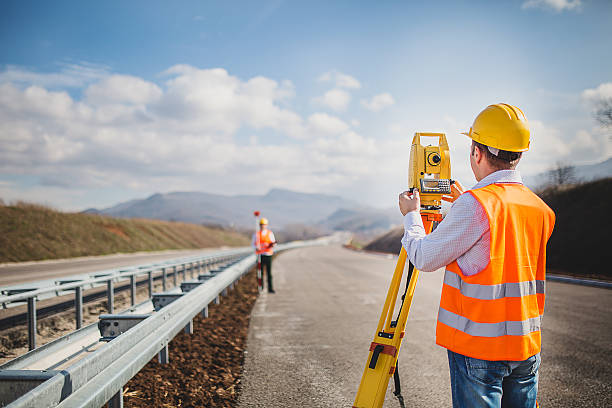 Without grade stakes, projects risk water runoff issues, uneven foundations, or lasting structural damage. Understanding how grade stakes work benefits both contractors and property owners, providing assurance that their investment rests on a well-planned foundation.
== Understanding the Role of Grade Stakes in Construction ==
Grade stakes are simple yet vital tools used to mark elevation and slope in construction and landscaping.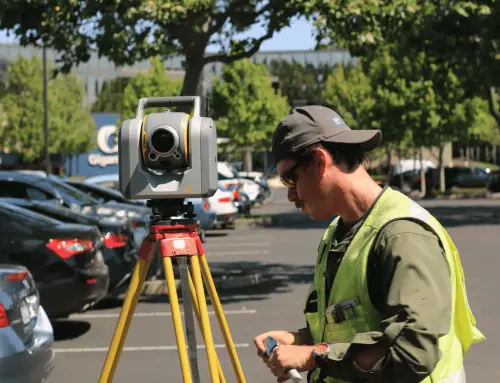 Their primary purpose is to ensure that all grading, excavation, survey companies near me and drainage work aligns with project specifications.
 From leveling foundations to creating proper slopes for water flow, these stakes guide contractors with clear, visible references.
Surveyors place grade stakes, connecting the project blueprint to the physical site, ensuring accuracy without guesswork. For contractors, these stakes offer clear guidance on soil removal or addition. For property owners, they offer confidence that the work being done meets design and safety standards.
 Ultimately, grade stakes form the base of every successful project, providing guidance for precision from start to finish.
== Why Accurate Elevation Matters in Construction ==
Elevation is more than just a measurement—it is a critical factor that determines the success and stability of a project. Grade stakes help ensure accurate height and slope, reducing the chances of expensive errors. Without accurate elevation, structures may experience foundation cracks, drainage problems, or water pooling that leads to erosion and damage over time.
Contractors depend on grade stakes to indicate the exact measurements for proper soil cutting or filling. Surveyors are key in setting stakes precisely to meet the project’s specifications.
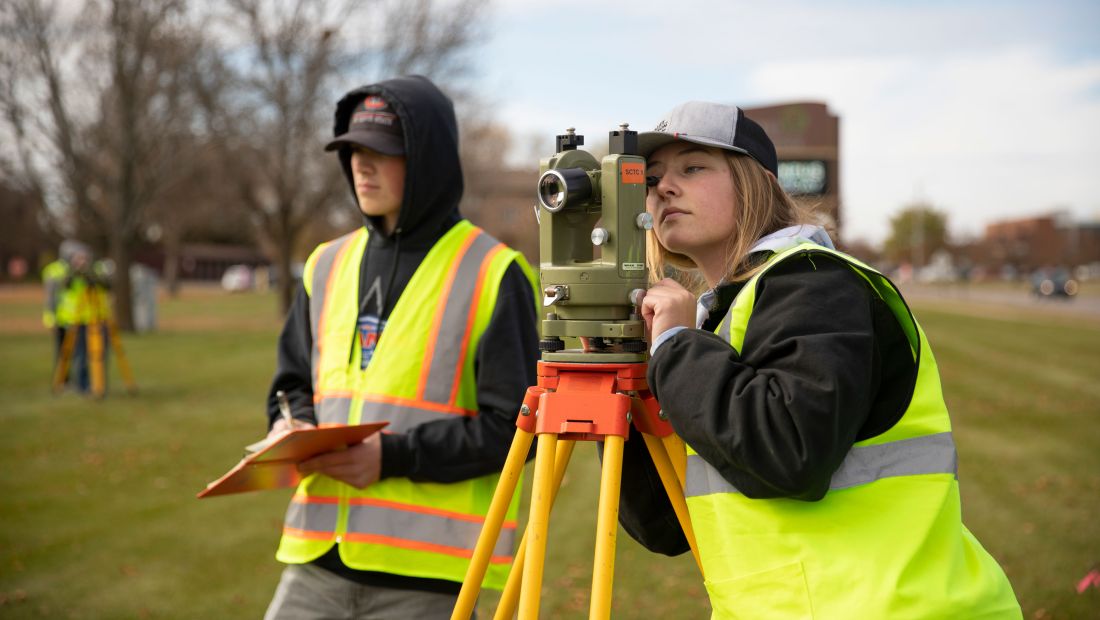 Correct elevation helps keep projects on time and ensures long-lasting durability and safety for buildings, roads, and landscaping.
== Preventing Drainage and Flooding Issues with Stakes ==
One of the most important purposes of grade stakes is to help manage water flow.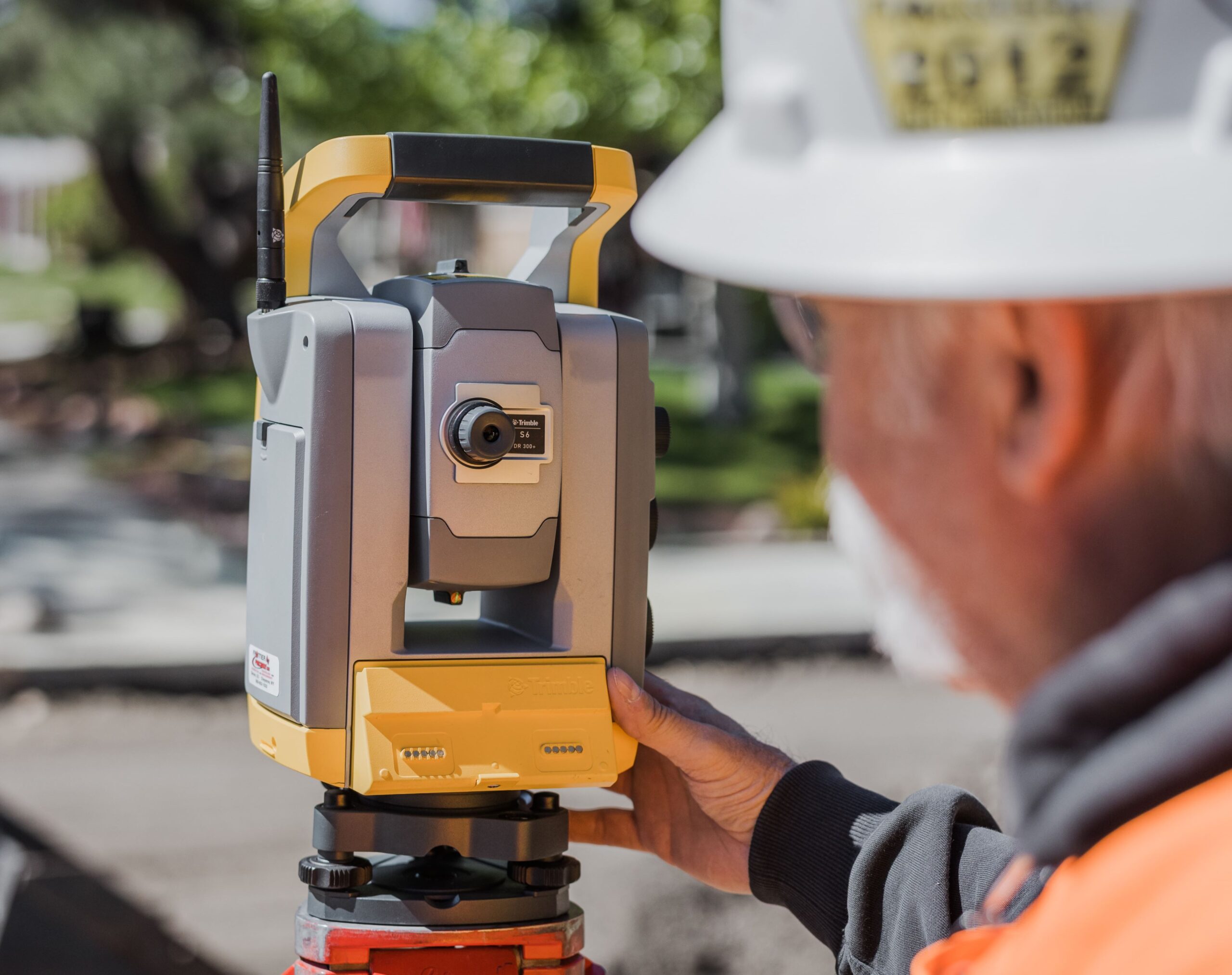 Construction sites that are not properly graded can develop serious drainage problems, leading to flooding, erosion, or structural damage. Grade stakes mark the elevation and slope to direct water away from key areas like foundations and roads.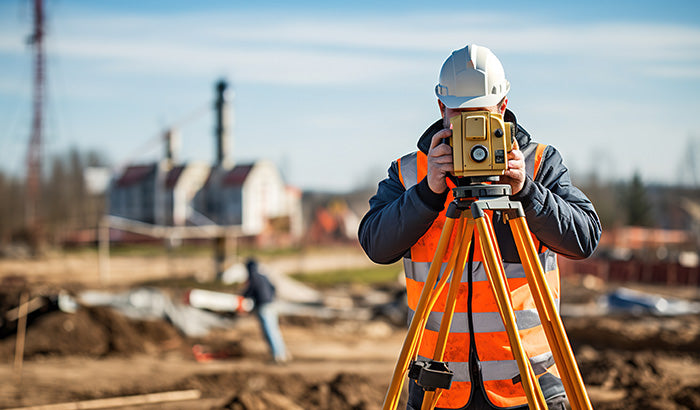
Surveyors place stakes strategically, allowing contractors to shape the land for proper drainage. Using stakes to guide grading prevents costly repairs and long-lasting drainage issues. Whether residential or commercial, proper drainage is key to safety and longevity, made possible with grade stakes.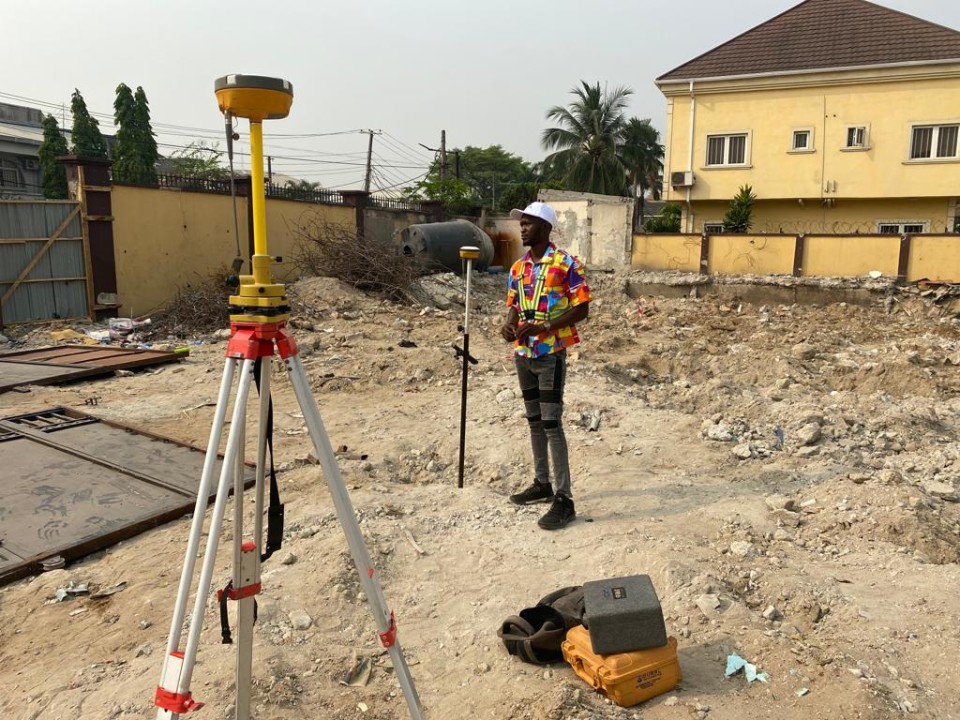
== How Surveyors Use Stakes to Guide Contractors ==
Surveyors use grade stakes as their primary tool for translating design plans into real-world construction. Surveyors place stakes after calculating site measurements, marking where and how work should be done. Each stake carries vital information—such as cut, fill, slope, and elevation—that contractors use to guide excavation and grading efforts.
This system removes uncertainty from the construction process. Instead of relying on rough estimates, contractors follow precise markers that ensure accuracy and compliance with project plans. Surveyors update and adjust stakes throughout the project to reflect progress and changes, keeping the site aligned with design specifications. Projects lacking grade stakes risk delays and errors, while stakes ensure precision and keep things on track.
Grade stakes translate complex design plans into clear, physical markers that guide excavation, grading, and drainage.
Without grade stakes, projects risk water runoff issues, uneven foundations, or lasting structural damage. Understanding how grade stakes work benefits both contractors and property owners, providing assurance that their investment rests on a well-planned foundation. == Understanding the Role of Grade Stakes in Construction ==
Grade stakes are simple yet vital tools used to mark elevation and slope in construction and landscaping.
Their primary purpose is to ensure that all grading, excavation, survey companies near me and drainage work aligns with project specifications. From leveling foundations to creating proper slopes for water flow, these stakes guide contractors with clear, visible references. Surveyors place grade stakes, connecting the project blueprint to the physical site, ensuring accuracy without guesswork.
For contractors, these stakes offer clear guidance on soil removal or addition. For property owners, they offer confidence that the work being done meets design and safety standards. Ultimately, grade stakes form the base of every successful project, providing guidance for precision from start to finish.== Why Accurate Elevation Matters in Construction ==
Elevation is more than just a measurement—it is a critical factor that determines the success and stability of a project. Grade stakes help ensure accurate height and slope, reducing the chances of expensive errors.
Without accurate elevation, structures may experience foundation cracks, drainage problems, or water pooling that leads to erosion and damage over time.Contractors depend on grade stakes to indicate the exact measurements for proper soil cutting or filling.
Surveyors are key in setting stakes precisely to meet the project’s specifications. Correct elevation helps keep projects on time and ensures long-lasting durability and safety for buildings, roads, and landscaping.== Preventing Drainage and Flooding Issues with Stakes ==
One of the most important purposes of grade stakes is to help manage water flow.
Construction sites that are not properly graded can develop serious drainage problems, leading to flooding, erosion, or structural damage. Grade stakes mark the elevation and slope to direct water away from key areas like foundations and roads.Surveyors place stakes strategically, allowing contractors to shape the land for proper drainage. Using stakes to guide grading prevents costly repairs and long-lasting drainage issues. Whether residential or commercial, proper drainage is key to safety and longevity, made possible with grade stakes.
== How Surveyors Use Stakes to Guide Contractors ==
Surveyors use grade stakes as their primary tool for translating design plans into real-world construction. Surveyors place stakes after calculating site measurements, marking where and how work should be done.
Each stake carries vital information—such as cut, fill, slope, and elevation—that contractors use to guide excavation and grading efforts. This system removes uncertainty from the construction process. Instead of relying on rough estimates, contractors follow precise markers that ensure accuracy and compliance with project plans.
Surveyors update and adjust stakes throughout the project to reflect progress and changes, keeping the site aligned with design specifications. Projects lacking grade stakes risk delays and errors, while stakes ensure precision and keep things on track.댓글목록
등록된 댓글이 없습니다.