
NHS: Belonging in White Corridors
페이지 정보
작성자 Latonya 작성일25-09-16 03:18 조회201회 댓글0건관련링크
본문
In the sterile corridors of Birmingham Women's and Children's NHS Foundation Trust, a young man named James Stokes moves with quiet purpose. His smart shoes whisper against the floor as he greets colleagues—some by name, others with the familiar currency of a "hello there."
James wears his NHS lanyard not merely as institutional identification but as a symbol of belonging. It hangs against a neatly presented outfit that gives no indication of the challenging road that preceded his arrival.
What distinguishes James from many of his colleagues is not immediately apparent. His presence discloses nothing of the fact that he was among the first recruits of the NHS Universal Family Programme—an initiative designed specifically for young people who have been through the care system.
"It felt like the NHS was putting its arm around me," James says, his voice controlled but tinged with emotion. His observation summarizes the heart of a programme that aims to revolutionize how the vast healthcare system approaches care leavers—those vulnerable young people aged 16-25 who have transitioned from the care system.
The statistics reveal a challenging reality. Care leavers commonly experience greater psychological challenges, money troubles, shelter insecurities, and diminished educational achievements compared to their peers. Behind these impersonal figures are human stories of young people who have navigated a system that, despite best intentions, often falls short in delivering the supportive foundation that shapes most young lives.
The NHS Universal Family Programme, launched in January 2023 following NHS England's commitment to the Care Leaver Covenant, signifies a profound shift in institutional thinking. At its heart, it accepts that the whole state and civil society should function as a "communal support system" for those who have missed out on the security of a traditional family setting.
Ten pathfinder integrated care boards across England have led the way, developing structures that reconceptualize how the NHS—one of Europe's largest employers—can open its doors to care leavers.
The Programme is detailed in its methodology, initiating with comprehensive audits of existing policies, creating oversight mechanisms, and securing leadership support. It acknowledges that successful integration requires more than lofty goals—it demands practical measures.
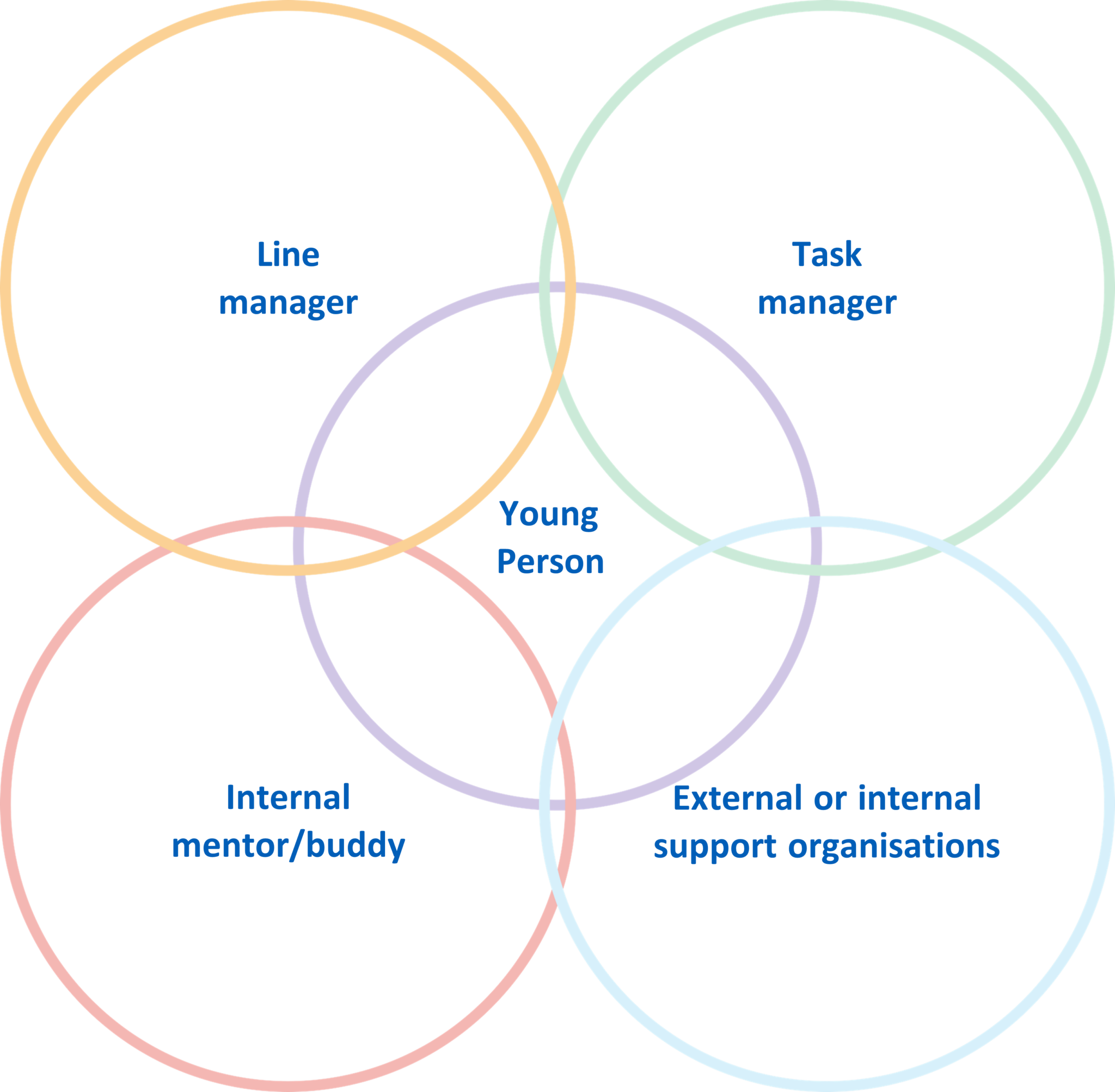
In NHS Birmingham and Solihull ICB, where James started his career, they've established a consistent support system with representatives who can deliver assistance and counsel on mental health, HR matters, recruitment, and inclusivity efforts.
The conventional NHS recruitment process—formal and possibly overwhelming—has been intentionally adjusted. Job advertisements now highlight character attributes rather than numerous requirements. Application procedures have been reimagined to accommodate the unique challenges care leavers might face—from lacking professional references to facing barriers to internet access.
Maybe most importantly, the Programme understands that entering the workforce can present unique challenges for care leavers who may be managing independent living without the safety net of familial aid. Concerns like commuting fees, identification documents, and bank accounts—taken for granted by many—can become significant barriers.
The elegance of the Programme lies in its meticulous consideration—from explaining payslip deductions to providing transportation assistance until that critical first wage disbursement. Even ostensibly trivial elements like rest periods and professional behavior are deliberately addressed.
For James, whose career trajectory has "transformed" his life, the Programme offered more than employment. It offered him a perception of inclusion—that ineffable quality that develops when someone is appreciated not despite their background but because their unique life experiences enhances the organization.
"Working for the NHS isn't just about doctors and nurses," James notes, his eyes reflecting the modest fulfillment of someone who has secured his position. "It's about a community of different jobs and roles, a group of people who genuinely care."

The NHS Universal Family Programme exemplifies more than an job scheme. It functions as a strong assertion that systems can evolve to include those who have known different challenges. In doing so, they not only transform individual lives but enrich themselves through the special insights that care leavers contribute.
As James moves through the hospital, his presence silently testifies that with the right help, care leavers can flourish in environments once thought inaccessible. The arm that the NHS has provided through this Programme represents not charity but appreciation of untapped potential and the essential fact that each individual warrants a community that believes in them.
댓글목록
등록된 댓글이 없습니다.